Industrial facilities depend on motors for conveyors, pumps, compressors, mixers, and countless other systems. When a motor stops unexpectedly, production often stops with it. Surprisingly, many of these outages aren’t caused by the motor itself—they originate in the motor starter that controls it.
Motor starters are simple in concept but critical in operation. When they fail or behave unpredictably, they create downtime patterns that many facilities underestimate. Understanding common motor starter problems, recognizing early warning signs, and implementing disciplined motor starter troubleshooting practices can significantly reduce unexpected shutdowns.
What is a motor starter, and why does it affect downtime so much?
A motor starter is an electrical device that safely starts, stops, and protects an electric motor. It typically contains a contactor, overload relay, and control circuit components. Because it sits between the power supply and the motor, any malfunction within the starter can immediately stop equipment and halt production.
Motor starters directly influence downtime because they perform three critical functions:
- Power switching: The contactor energizes and de-energizes the motor by opening or closing electrical contacts.
- Motor protection: Overload relays monitor current and disconnect power when excessive load threatens the motor.
- Control integration: Control circuits link the starter to sensors, PLCs, push buttons, and safety systems.
When any part of this system fails—even briefly—the result is often an immediate process interruption.
Why small starter issues stop large processes
Motor starters frequently control high-value equipment, such as:
- Pumps in water or chemical systems
- Conveyor drives in manufacturing lines
- Compressors supporting pneumatic systems
- Fans in ventilation or cooling systems
Even minor starter issues can cause major disruptions because they trigger automatic shutdowns designed to protect equipment.
Examples include:
- Loose terminals increase electrical resistance
- Worn contacts are preventing proper motor engagement
- Control voltage fluctuations causing contactor chatter
- Improper overload settings are causing repeated motor starter overload trips
In many cases, these issues develop gradually. The starter may appear to work normally until one small change—heat, vibration, load increase, or voltage fluctuation—pushes the device past its tolerance.
The result is downtime that seems sudden but was actually building for weeks or months.
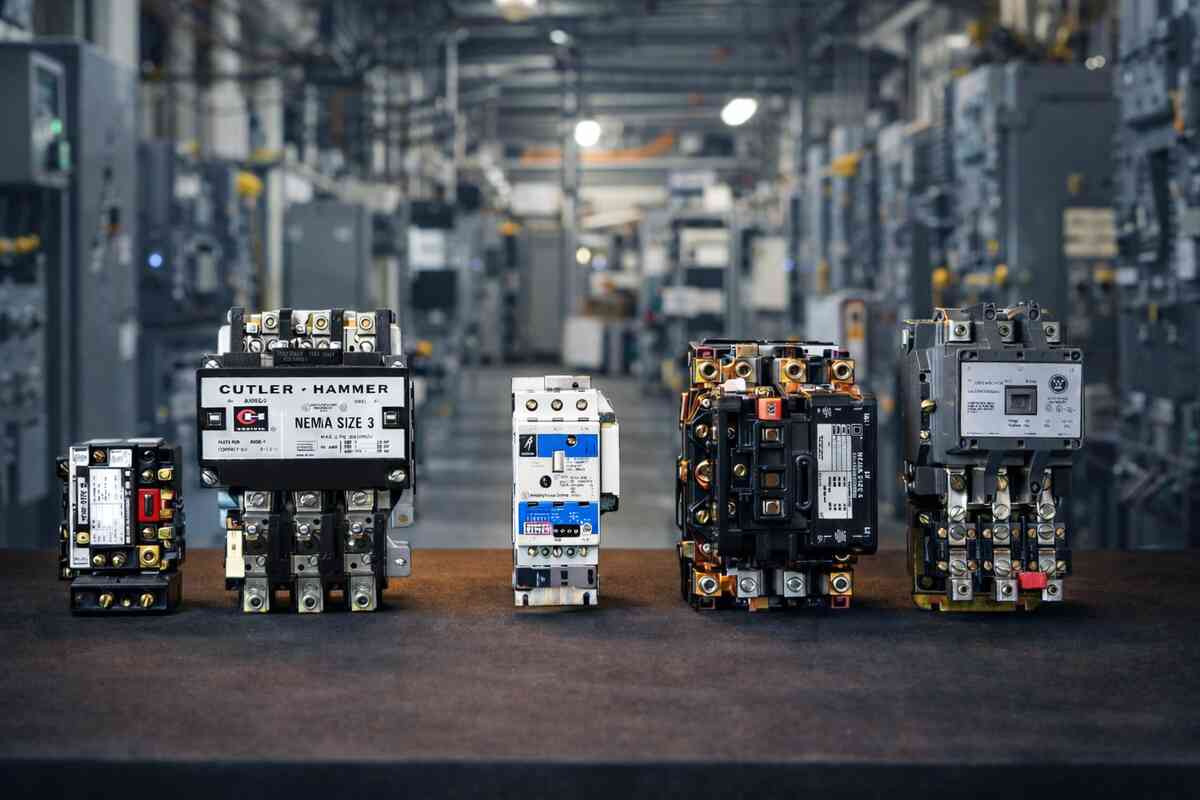
Why do motor starters cause more downtime than most facilities expect?
Motor starters cause more downtime than many facilities expect because their failures often develop gradually and remain unnoticed until the system stops completely. Issues like loose terminals, worn contacts, unstable control voltage, or incorrect overload settings can exist for weeks before triggering shutdowns. Without consistent motor starter troubleshooting, these hidden conditions often lead to repeated outages.
Motor starter failures rarely occur as sudden, catastrophic events. Instead, they usually follow a pattern of small warning signs that are easy to overlook during normal operations.
Understanding these patterns helps maintenance teams detect motor starter problems before they cause a production stoppage.
Why starters fail quietly before they fail completely
Many starter failures begin as subtle electrical or mechanical changes that do not immediately stop the motor. These small deviations slowly degrade the starter until one final event triggers a shutdown.
Common early warning signs include:
- Intermittent contactor chatter: A buzzing or vibrating contactor may indicate unstable control voltage or coil problems.
- Heat buildup inside the enclosure: Loose connections or worn contacts increase electrical resistance, generating heat.
- Occasional overload relay trips: Repeated motor starter overload trips often indicate improper settings, mechanical load changes, or deteriorating components.
- Delayed motor starting: Contact wear or coil degradation can prevent the contactor from pulling in cleanly.
Because these symptoms appear temporarily or inconsistently, they are often dismissed as isolated incidents instead of early indicators of failure.
Over time, however, the electrical stress on the starter increases until the equipment stops entirely.
Why resets and nuisance trips hide the real problem
When equipment shuts down, the immediate goal is usually to restore production as quickly as possible. In many facilities, this leads to a simple reset of the overload relay or starter.
While this restores the operation temporarily, it can also mask the real cause of the issue.
Common reset scenarios include:
- Resetting an overload relay after a trip without verifying the cause
- Restarting equipment after a brief shutdown without inspecting the starter
- Ignoring intermittent starter chatter or control issues
These quick resets can create a cycle of recurring downtime:
- Starter trips unexpectedly
- Maintenance resets the overload relay
- Equipment runs again temporarily
- The same fault triggers another shutdown
Over time, the repeated interruptions increase production losses and place additional stress on both the starter and the motor.
Effective motor starter troubleshooting requires identifying the underlying cause of each trip rather than simply restoring power.
Why do control circuit problems look like motor failures
Another reason motor starters contribute to unexpected downtime is that control circuit issues often resemble motor problems.
Operators frequently assume the motor itself has failed when the real issue is located in the starter’s control system.
Examples include:
- Low control voltage: Insufficient voltage may prevent the contactor from fully engaging.
- Faulty push buttons or selector switches: A worn control component can interrupt the start signal.
- PLC or safety circuit interruptions: A safety interlock may stop the starter even when the motor is functioning normally.
- Coil failure inside the contactor: If the coil cannot energize properly, the motor will never start.
Without structured troubleshooting procedures, these issues can lead to unnecessary motor replacement or extended downtime while technicians search for the root cause.
Why aging starters create reliability risks
Many industrial facilities operate equipment that has been running for decades. While motors themselves are often durable, starters and control components experience mechanical wear over time.
Common age-related issues include:
- Pitted or worn contact surfaces
- Weakening contactor springs
- Degraded coil insulation
- Corroded or loose terminals
- Obsolete components that are difficult to replace
These aging conditions increase the likelihood of sudden failures, particularly during load changes or power disturbances.
Facilities that rely on older electrical infrastructure often see increasing rates of motor starter problems as these components reach the end of their service life.
Why starter reliability matters for production stability
Because motor starters control critical equipment, even a brief failure can stop large portions of a facility.
Examples of production impacts include:
- A single failed conveyor starter halts an entire packaging line
- A pump starter trip shuts down a cooling system
- A compressor starter fault is disrupting pneumatic tools across a facility
In many cases, the downtime cost far exceeds the cost of the starter component itself.
For this reason, identifying recurring motor starter overload trips, monitoring starter condition, and implementing preventive maintenance programs can significantly reduce unplanned outages.
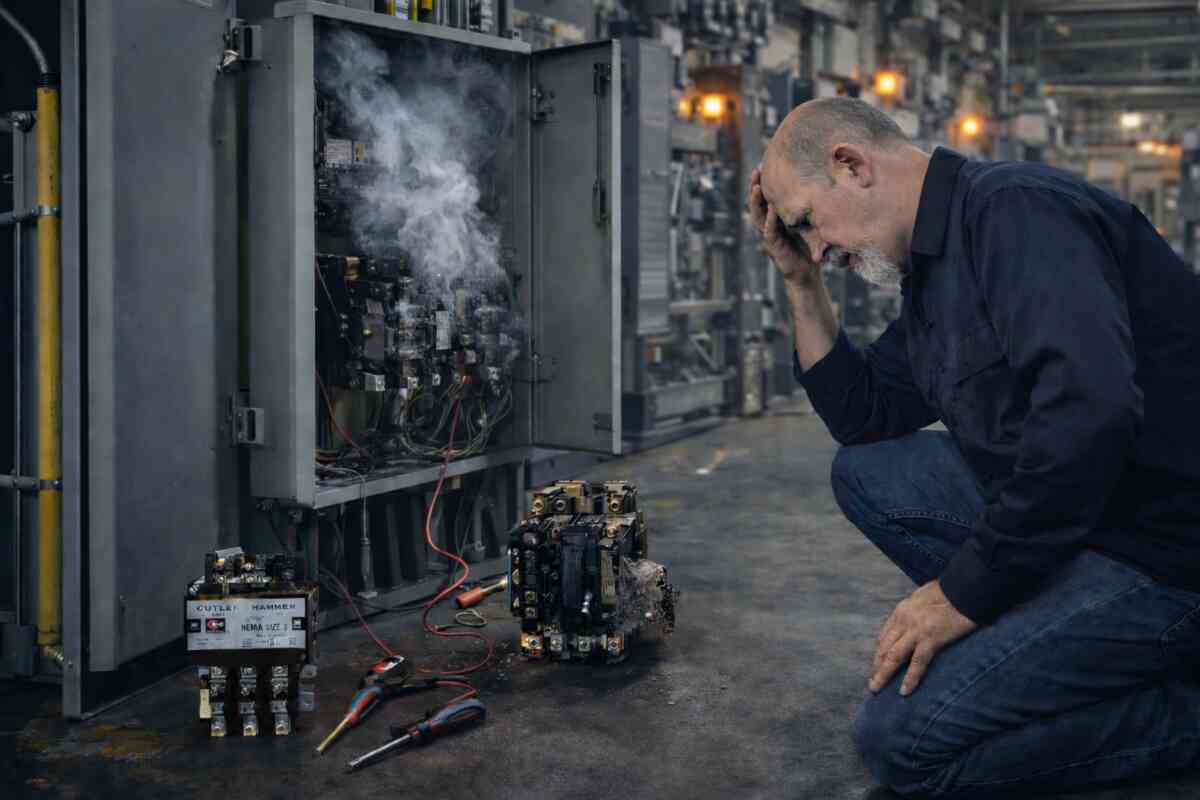
What are the most common motor starter downtime scenarios?
The most common motor starter problems fall into a handful of predictable patterns that maintenance teams encounter repeatedly. These include motors failing to start, contactor chatter, repeated overload trips, worn electrical contacts, and control circuit faults. Recognizing these symptoms early allows technicians to perform faster motor starter troubleshooting and prevent extended production interruptions.
Each scenario below represents a failure pattern that commonly causes downtime in industrial facilities.
What does it mean when the motor will not start?
If a motor does not start, the cause is often within the starter rather than the motor itself. Control circuit interruptions, coil failures, or damaged contacts can prevent the starter from delivering power to the motor.
When troubleshooting a no-start condition, begin by identifying whether the starter is attempting to engage.
Signs the starter is not engaging
- The contactor does not pull in when the start signal is given
- No audible click from the starter
- Control indicators or PLC signals appear normal, but the motor remains idle
Possible causes
- Control signal failure: The start command may not be reaching the starter due to a faulty push button, relay, or PLC signal.
- Contactor coil failure: A damaged coil prevents the contactor from energizing.
- Low control voltage: Insufficient voltage may not generate enough magnetic force to close the contactor.
- Safety interlock or protective relay: Safety circuits may interrupt the control path if conditions are unsafe.
A structured motor starter troubleshooting process should verify the control circuit first before assuming the motor has failed.
What causes contactor chatter or buzzing?
Contactor chatter occurs when the contactor rapidly opens and closes instead of holding firmly in place. This condition produces a buzzing or vibrating sound and is a major reliability concern.
If ignored, chatter can quickly destroy contact surfaces and lead to severe motor starter problems.
Common causes of contactor chatter
Unstable control voltage: Voltage fluctuations prevent the coil from maintaining a stable magnetic field.
Loose control wiring: Intermittent electrical connections interrupt coil power.
Damaged contactor coil: Coils that are partially shorted may not produce sufficient magnetic force.
Mechanical wear: Weak springs or worn armature components prevent proper contact engagement.
Why chatter is dangerous
Contactor chatter causes repeated arcing between contacts. This arcing generates heat and erodes the contact material.
Over time, this leads to:
- Burnt contacts
- Increased electrical resistance
- Starter overheating
- Eventual starter failure
Because chatter accelerates damage quickly, it should be addressed immediately during troubleshooting.
What causes repeated motor starter overload trips?
Repeated motor starter overload trips are one of the most common causes of unplanned downtime. While overload relays are designed to protect motors, frequent tripping usually indicates an underlying problem.
Understanding why overload relays trip repeatedly is critical for preventing recurring shutdowns.
Common causes of overload trips
- Improper overload relay settings: If overload relays are set too low relative to motor full-load current, normal operation can trigger unnecessary trips.
- Mechanical load issues: Increased friction, jammed conveyors, or failing bearings can cause motors to draw excessive current.
- Voltage imbalance or undervoltage: Electrical supply problems can force motors to draw higher current to maintain torque.
- Worn starter contacts: Damaged contacts increase resistance, creating heat and raising motor current.
Warning signs before overload trips occur
Maintenance teams may observe:
- Motors running hotter than normal
- Slower startup performance
- Intermittent trips under heavy load conditions
If overload trips occur frequently, technicians should treat them as diagnostic signals rather than simple reset events.
What causes burnt or pitted contactor contacts?
Contactor contacts are responsible for carrying high electrical currents during motor operation. Over time, switching events and electrical arcing gradually damage the contact surfaces.
Severely worn contacts are a major source of motor starter problems.
Causes of contact damage
- Normal electrical wear: Every start and stop event produces a small arc between contacts.
- Frequent motor starts: Applications with high start frequency accelerate contact erosion.
- Contactor chatter: Rapid opening and closing dramatically increase arcing damage.
- Overloaded circuits: Excessive current increases heat and contact degradation.
Symptoms of worn contacts
- Dark or burnt contact surfaces
- Pitting or uneven contact faces
- Starter overheating
- Increased electrical resistance
- Motor failing to start intermittently
When contacts reach advanced wear stages, replacement is usually more reliable than attempting repair.
What control circuit failures commonly cause downtime?
Control circuits are often overlooked during troubleshooting, yet they are responsible for many unexpected starter shutdowns.
Because these circuits involve multiple components, failures can be difficult to identify without systematic testing.
Common control circuit faults
- Faulty push buttons or selector switches: Mechanical wear can interrupt control signals.
- Failed auxiliary contacts: Starter auxiliary contacts may fail to maintain the holding circuit.
- PLC output failures: Control systems may stop sending signals to the starter.
- Safety interlock activation: Emergency stops, door switches, or safety relays can interrupt starter operation.
Why control circuits complicate troubleshooting
Control problems can mimic motor or starter failures. Technicians may replace motors or starters unnecessarily if the control circuit is not tested first.
A structured troubleshooting approach that evaluates the control path step-by-step helps isolate the true cause of downtime.
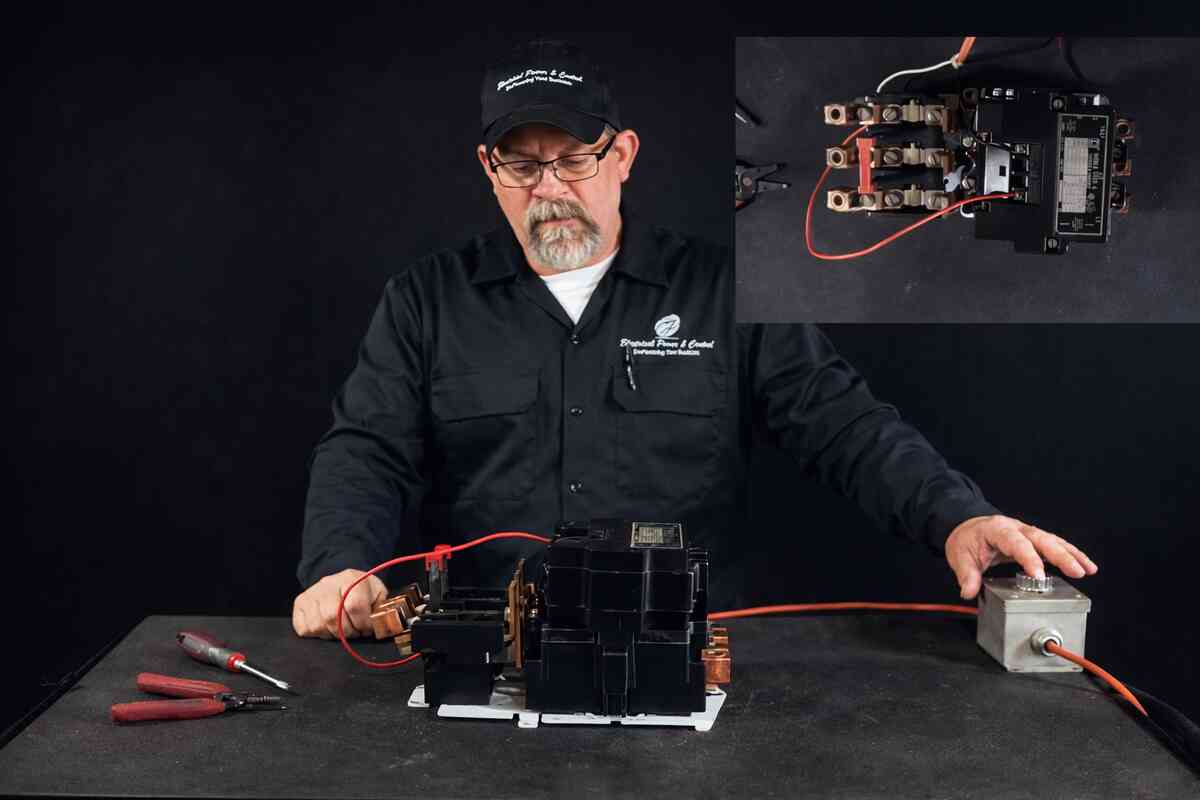
How do you troubleshoot a motor starter quickly and safely?
Effective motor starter troubleshooting follows a structured process that isolates the problem step-by-step without unnecessarily replacing parts. The fastest diagnostic approach starts with safety verification, then moves through the control circuit, starter components, and finally the motor and load. This method helps maintenance teams identify motor starter problems quickly while minimizing downtime.
During an outage, it is tempting to immediately replace components. However, systematic troubleshooting often reveals that the real cause is a loose connection, incorrect overload setting, or control signal interruption.
What safety steps should be followed before troubleshooting?
Before inspecting or testing any motor starter, technicians must ensure the equipment is safe to work on.
Essential safety procedures
1. Lockout and tagout the equipment
Disconnect all electrical power sources and apply proper lockout/tagout procedures before opening the starter enclosure.
2. Verify absence of voltage
Use a properly rated meter to confirm that no voltage is present on the incoming power terminals.
3. Inspect the environment
Look for signs of heat damage, moisture, or contamination that may create additional hazards.
4. Review equipment documentation
Identify the starter type, control voltage, wiring diagrams, and overload settings before testing.
Following these steps protects personnel and prevents accidental damage to the system during troubleshooting.
How do you check the control circuit first?
The control circuit should always be tested before assuming the starter itself is faulty. Many motor starter problems originate in the control path rather than the power components.
Control circuit checks
- Verify incoming control voltage: Measure voltage at the starter coil terminals while the start command is active.
- Check start and stop devices: Push buttons, selector switches, or PLC outputs should be tested to confirm that the start signal reaches the starter.
- Inspect auxiliary contacts: Auxiliary contacts maintain the holding circuit after the start button is released. If these fail, the starter may drop out immediately.
- Examine safety interlocks: Emergency stops, safety relays, and protective switches can interrupt the control signal.
If the control circuit is not delivering a consistent signal, the motor will never start, regardless of the condition of the motor itself.
How do you inspect the starter components?
Once the control circuit is verified, attention should shift to the internal starter components.
Visual inspection checklist
Maintenance personnel should look for:
- Loose electrical terminals
- Burnt or discolored wires
- Pitted or worn contact surfaces
- Contactor armature sticking or binding
- Evidence of overheating
Even minor visual clues can reveal the source of motor starter problems.
Mechanical operation check
With power safely removed, manually operate the contactor to confirm that:
- The armature moves freely
- Contacts align properly
- Springs return the contactor smoothly
Mechanical binding can prevent proper starter operation.
How do you test the contactor coil?
The contactor coil generates the magnetic field that closes the contacts. If the coil fails, the starter cannot energize the motor.
Coil testing steps
- Measure coil resistance: Using a multimeter, verify that coil resistance falls within expected values.
- Check coil voltage rating: Confirm that the coil matches the system control voltage (such as 24V, 120V, or 240V).
- Inspect for overheating or insulation damage: Darkened insulation or burnt odor may indicate coil failure.
A damaged coil is a common cause of no-start conditions.
How do you evaluate overload relay operation?
Overload relays protect motors from excessive current, but incorrect settings or electrical issues can cause repeated motor starter overload trips.
Overload relay troubleshooting
- Verify overload settings: Ensure the relay is set according to the motor’s full-load current rating.
- Check for phase imbalance: Voltage imbalance can increase motor current and trigger trips.
- Inspect motor load conditions: Mechanical problems such as jammed equipment or failing bearings can increase load.
- Monitor current during startup: Excessive starting current may indicate motor or mechanical issues.
When overload relays trip repeatedly, technicians should treat the trip as diagnostic information rather than simply resetting it.
What tools are essential for troubleshooting motor starters?
A small set of diagnostic tools allows technicians to perform effective motor starter troubleshooting in most industrial environments.
Common troubleshooting tools
- Digital multimeter
- Clamp-on current meter
- Insulation resistance tester
- Screwdrivers and torque tools
- Thermal imaging camera (optional but useful)
These tools help identify voltage issues, current imbalance, loose connections, and overheating components.
Why structured troubleshooting reduces downtime
A structured troubleshooting process helps maintenance teams isolate faults faster and avoid unnecessary component replacement.
Without a systematic approach, technicians may replace motors, starters, or relays repeatedly while the real issue remains unresolved.
Consistent troubleshooting procedures allow facilities to:
- Reduce recurring motor starter problems
- Identify the root cause of motor starter overload trips
- Improve overall system reliability
In many facilities, adopting a structured troubleshooting workflow can significantly reduce maintenance response time and production interruptions.
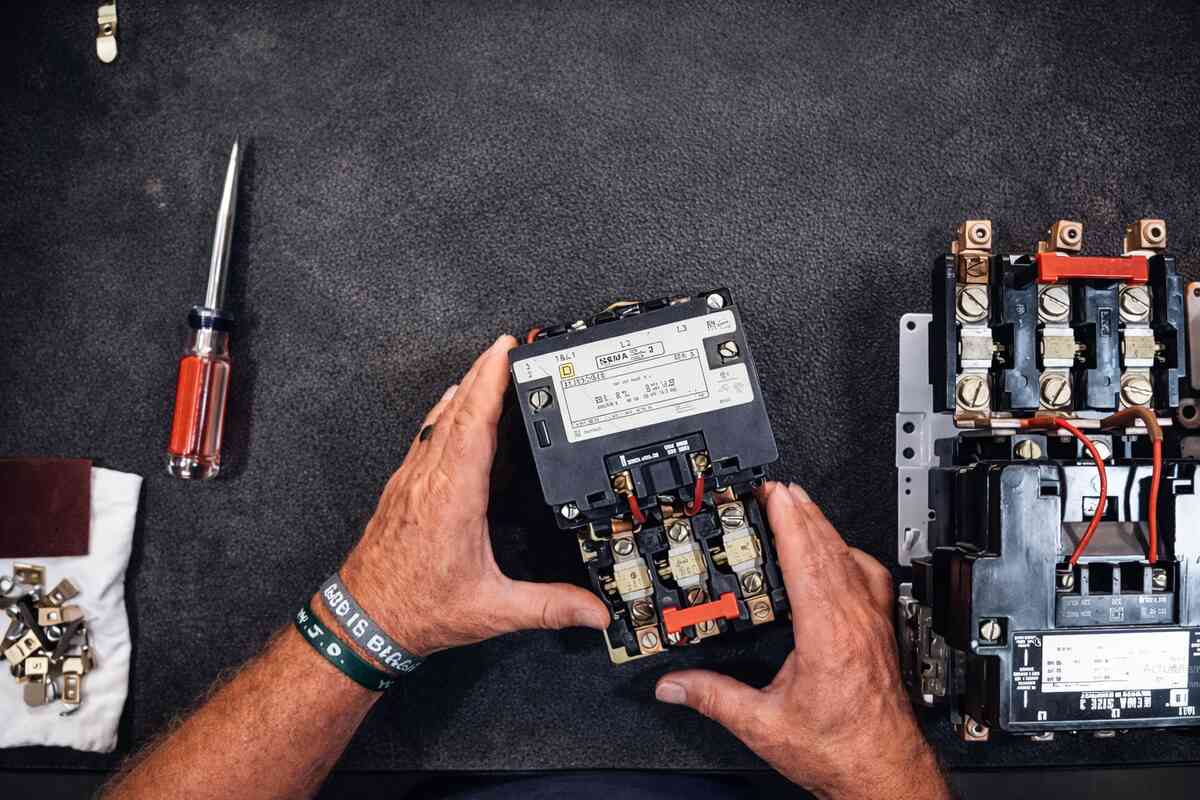
What preventive maintenance prevents motor starter downtime?
Preventive maintenance reduces motor starter problems by identifying wear, electrical stress, and connection issues before they cause failure. Regular inspections of contacts, terminals, control circuits, and overload settings help maintenance teams detect early warning signs. Facilities that follow a consistent inspection routine experience fewer motor starter overload trips and significantly less unplanned downtime.
Motor starters operate in environments that often include vibration, heat, dust, and electrical stress. Without periodic inspection, small issues gradually worsen until a shutdown occurs.
A disciplined preventive maintenance program ensures these conditions are detected early.
What should be included in a motor starter preventive maintenance checklist?
A well-structured inspection checklist allows technicians to evaluate the condition of the starter during routine maintenance rounds.
Visual inspection items
Maintenance personnel should inspect for:
- Burnt or discolored wiring
- Loose electrical terminals
- Dust or contamination inside the enclosure
- Signs of overheating or melted insulation
- Worn or pitted contact surfaces
These visual indicators often reveal developing motor starter problems before operational failures occur.
Electrical inspection checks
Electrical testing helps identify problems that may not be visible during visual inspection.
Technicians should verify:
- Control voltage stability: Confirm that control voltage remains within the required operating range.
- Motor current levels: Use a clamp meter to verify current draw during normal operation.
- Phase balance: Voltage imbalance between phases can cause overheating and increase the likelihood of motor starter overload trips.
- Overload relay settings: Verify that overload settings match the motor’s rated full-load current.
Incorrect settings are a frequent cause of unnecessary trips.
Mechanical component inspection
Mechanical components inside the starter also require periodic inspection.
Maintenance teams should check:
- Contactor armature movement
- Spring tension and return action
- Contact alignment and wear patterns
- Signs of binding or mechanical damage
Contactor assemblies that move freely and close properly help prevent electrical arcing and overheating.
How often should motor starters be inspected?
Inspection frequency depends on operating conditions and equipment criticality.
Typical inspection intervals
Quarterly inspections
Recommended for equipment operating in moderate industrial environments.
Monthly inspections
Recommended for critical equipment such as:
- Production conveyors
- Process pumps
- Air compressors
- Cooling systems
Frequent inspections
Required for harsh environments involving:
- High vibration
- Dust or particulate contamination
- High humidity or corrosive environments
Facilities should prioritize inspection frequency based on the operational importance of each motor.
What environmental factors increase starter failures?
Environmental conditions significantly influence the reliability of motor starters.
Dust and contamination
Dust accumulation can interfere with electrical contacts and reduce insulation effectiveness.
Vibration
Equipment vibration can loosen terminals and create intermittent electrical connections.
Heat buildup
High ambient temperatures accelerate component aging and insulation degradation.
Moisture or corrosive environments
Humidity or chemical exposure can corrode terminals and wiring connections.
Facilities operating in these conditions should increase inspection frequency to reduce motor starter problems.
What maintenance practices reduce overload trips?
Repeated motor starter overload trips often indicate a combination of electrical and mechanical issues.
Preventive maintenance should focus on eliminating these root causes.
Key practices include
Verify motor loading
Inspect driven equipment to ensure motors are not overloaded due to mechanical friction or binding.
Check the electrical supply quality
Voltage imbalance or undervoltage conditions increase motor current.
Maintain clean connections
Loose or corroded terminals increase resistance and heat.
Monitor startup performance
Motors that start slowly or struggle during acceleration may indicate developing problems.
By identifying these issues early, facilities can prevent nuisance trips and avoid unnecessary shutdowns.
Why preventive maintenance improves facility reliability
Motor starters are often overlooked during maintenance programs because they appear simple and reliable.
However, these devices control critical equipment throughout the facility.
Implementing a structured maintenance program provides several advantages:
- Fewer unexpected motor starter problems
- Reduced frequency of motor starter overload trips
- Faster troubleshooting during outages
- Improved equipment reliability
- Lower long-term maintenance costs
Preventive maintenance transforms starter failures from unpredictable emergencies into manageable maintenance tasks.
When should you repair, rebuild, or replace a motor starter?
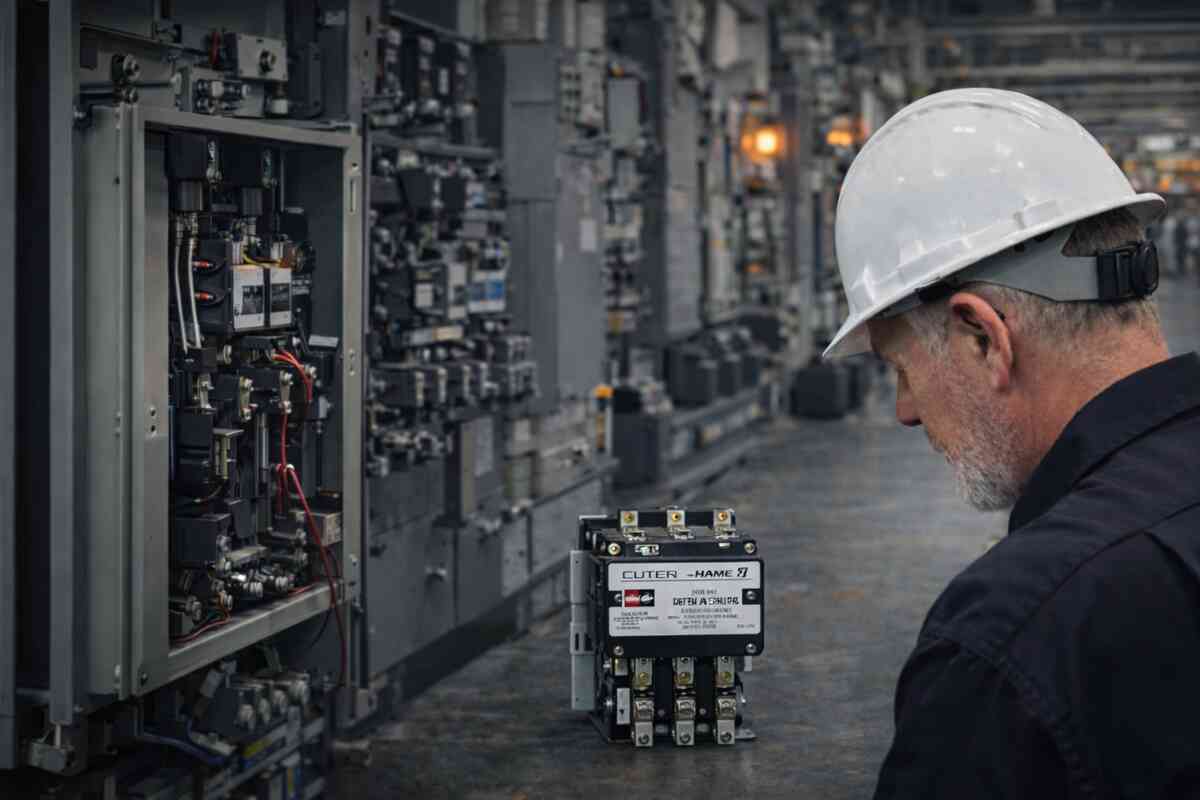
Motor starters should be repaired, rebuilt, or replaced depending on the condition of the contacts, coil, mechanical components, and availability of replacement parts. Minor wear or loose connections can usually be repaired, while severe contact damage, repeated motor starter overload trips, or obsolete components often justify replacement. Knowing when to act prevents recurring motor starter problems and reduces long-term downtime.
Facilities often delay replacement because the starter appears to work intermittently. However, starters that show repeated symptoms are usually approaching failure.
Understanding the warning signs helps maintenance teams make better decisions.
What warning signs indicate a starter is nearing failure?
Motor starters rarely fail without warning. Several symptoms typically appear before a complete shutdown occurs.
Common early indicators
- Frequent overload trips: Repeated motor starter overload trips may indicate deteriorating contacts, improper settings, or increasing mechanical load.
- Starter overheating: Excess heat inside the enclosure often results from loose terminals or worn contacts.
- Contactor chatter or buzzing: Unstable contactor engagement increases electrical arcing and accelerates contact damage.
- Delayed or inconsistent motor starting: Starters that occasionally fail to engage often have coil or contact wear.
- Visible contact damage: Pitted, burned, or uneven contacts reduce electrical reliability.
These conditions should trigger immediate motor starter troubleshooting to determine whether repair or replacement is the best option.
When is repair the right option?
Repair is appropriate when the issue is isolated, and the starter components remain in good overall condition.
Situations where repair is effective
- Loose electrical connections: Tightening terminals and verifying torque values can eliminate overheating and voltage drops.
- Minor contact wear: Light wear may be resolved by replacing the contact kit if available.
- Control circuit issues: Faulty push buttons, relays, or auxiliary contacts can often be replaced easily.
- Incorrect overload settings: Adjusting the relay to match the motor’s full-load current can prevent nuisance trips.
Repairs are usually fast and inexpensive when performed before significant damage occurs.
When should a motor starter be rebuilt?
Rebuilding may be the best option when several components are worn, but the starter frame and enclosure remain in good condition.
Rebuild scenarios
Facilities often rebuild starters when:
- Contact sets are heavily worn
- Springs or armature mechanisms are degraded
- Coils require replacement
- Overload relays need upgrading
A rebuild typically includes replacing major internal components while retaining the original starter housing.
This approach can extend equipment life while avoiding the cost of a full replacement.
When is full replacement the safest choice?
In some situations, replacing the entire starter is more reliable than attempting repair.
Replacement is recommended when
- Contacts are severely burned or welded: Extensive arcing damage indicates advanced electrical wear.
- The starter has failed multiple times: Repeated motor starter problems often signal deeper reliability issues.
- Replacement parts are obsolete: Older starters may use components that are no longer manufactured.
- Electrical ratings no longer match the application: Equipment upgrades may require higher capacity starters.
The starter shows structural damage
Cracked housings, insulation breakdown, or heat damage often justify replacement.
Replacing the starter eliminates the risk of recurring failures from aging components.
How does aging electrical infrastructure affect starter reliability?
Many industrial facilities operate equipment that has been in service for decades. While motors themselves may last a long time, electrical control components experience gradual degradation.
Common age-related issues include:
- Insulation breakdown
- Mechanical wear of moving components
- Corrosion on terminals
- Outdated overload protection technologies
Older starters may also lack modern protection features that improve motor reliability.
Facilities managing aging electrical infrastructure often experience increasing rates of motor starter problems as these components approach the end of their service life.
When should facilities consider upgrading starter technology?
In some cases, upgrading the motor control strategy can improve system reliability and performance.
Situations where upgrades may be beneficial
- Frequent motor starts: Soft starters or variable frequency drives can reduce electrical stress.
- High mechanical load variations: Advanced motor controls provide smoother acceleration.
- Energy efficiency goals: Modern motor control technologies improve energy performance.
- Automation integration: Newer starters integrate more easily with PLC and monitoring systems.
Upgrading motor control technology can reduce maintenance requirements and improve overall equipment reliability.

What spare parts and sourcing strategies reduce motor starter downtime?
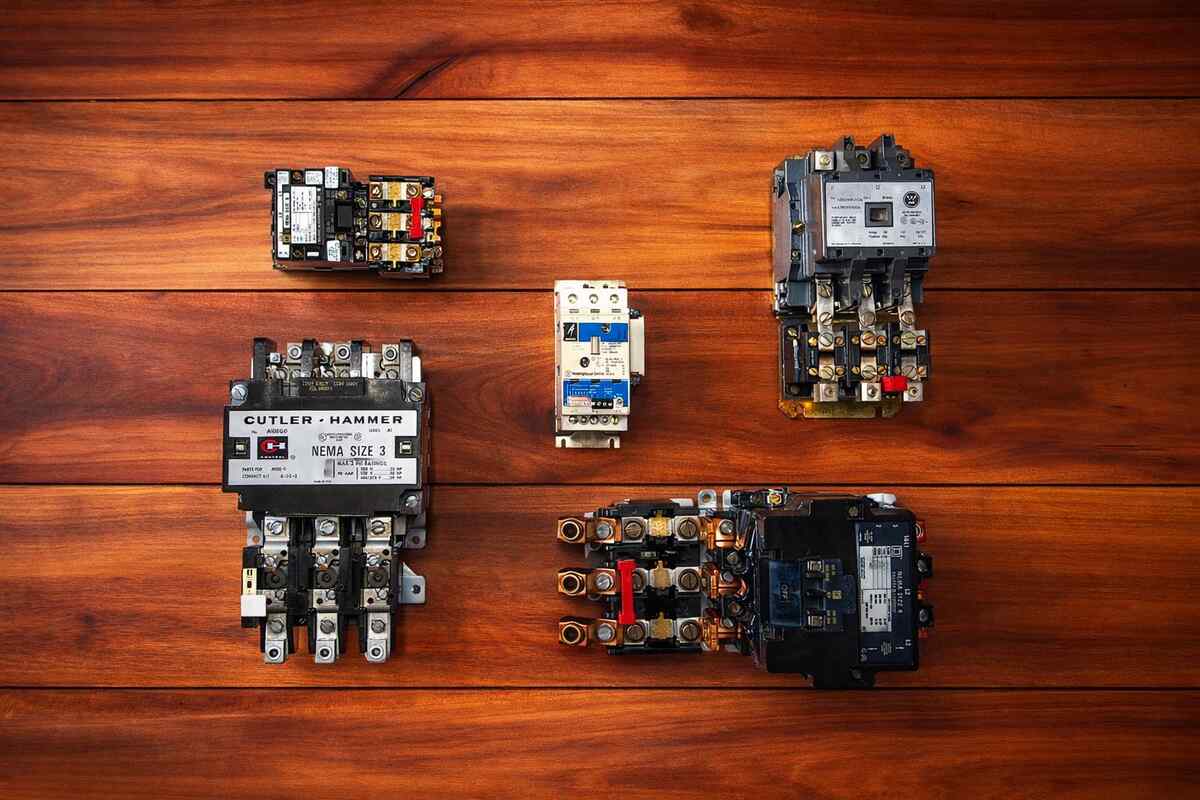
Facilities can reduce downtime from motor starter problems by maintaining critical spare parts and establishing reliable sourcing strategies. Keeping essential components available allows maintenance teams to resolve failures quickly instead of waiting for parts during a shutdown. A proactive inventory strategy also supports faster motor starter troubleshooting when unexpected failures occur.
Many facilities lose hours—or even days—during outages simply because the correct replacement part is not available.
A basic spare parts strategy can significantly shorten recovery time.
Which motor starter components should facilities keep in stock?
Motor starters consist of several wear components that fail more frequently than the motor itself. These parts are typically inexpensive but critical during a breakdown.
Recommended spare components
Facilities should consider stocking:
Contactor assemblies
The contactor is the primary switching component and one of the most common sources of motor starter problems.
Replacement contact kits
Contact kits allow maintenance teams to replace worn contacts without replacing the entire starter.
Contactor coils
Coil failures can prevent the starter from engaging even when the control circuit is working properly.
Overload relays
Overload relays occasionally fail or require replacement after repeated motor starter overload trips.
Auxiliary contacts
Auxiliary contacts maintain control circuits and holding circuits inside the starter.
Having these components readily available allows maintenance teams to restore equipment quickly.
How should facilities prioritize spare parts inventory?
Not every starter in a facility requires identical spare parts coverage. Inventory should be prioritized based on operational criticality.
Prioritization factors
Facilities should evaluate:
Process importance
Motors that support critical production lines require faster recovery capability.
Lead time for replacement parts
If replacement components require long shipping times, stocking spares becomes more important.
Starter age
Older starters may use parts that are difficult to source quickly.
Environmental conditions
Equipment operating in harsh environments may experience higher failure rates.
Prioritizing inventory based on these factors ensures that resources are allocated effectively.
What information should maintenance teams document before failures occur?
One of the biggest challenges during outages is identifying the correct replacement component.
Proper documentation can dramatically accelerate repair time.
Information that should be recorded
Maintenance teams should document:
- Starter manufacturer and model number
- Contactor model and coil voltage
- Overload relay type and current setting
- Motor full-load current rating
- Control voltage level
- Panel or MCC bucket location
Keeping this information organized allows technicians to perform faster motor starter troubleshooting during emergency repairs.
Many facilities maintain this data in maintenance management systems or equipment documentation files.
How can facilities avoid compatibility issues when replacing starters?
Compatibility problems can delay repairs when replacement components do not match the existing system.
Several steps help reduce this risk.
Best practices for replacement sourcing
Verify electrical ratings
Confirm voltage, current rating, and motor horsepower compatibility.
Match control voltage
Contactor coils must match the control circuit voltage used in the system.
Confirm mounting configuration
Replacement starters must fit within existing panel or MCC spaces.
Review overload protection compatibility
New overload relays must match the motor’s current requirements.
Failure to verify these details can lead to installation delays and additional downtime.
Why supplier relationships matter during electrical failures
Reliable suppliers play an important role in reducing recovery time when equipment fails.
Industrial facilities benefit from suppliers that can provide:
- Fast access to replacement components
- Technical guidance during motor starter troubleshooting
- Support identifying compatible replacement parts
- Assistance in sourcing obsolete or difficult-to-find components
Strong supplier relationships allow facilities to restore equipment faster and maintain consistent production.
Why proactive parts planning reduces facility risk
Motor starters are relatively small components, but they control equipment that is essential to production.
A proactive parts strategy helps facilities:
- Resolve motor starter problems faster
- Reduce downtime caused by parts delays
- Improve maintenance response time
- Prevent extended production interruptions
Facilities that prepare for starter failures before they occur are significantly better positioned to maintain operational continuity.
FAQ: Motor Starter Problems, Troubleshooting, and Overload Trips
What causes motor starter problems?
Most motor starter problems are caused by worn contacts, loose electrical connections, unstable control voltage, or incorrect overload relay settings. Environmental conditions such as vibration, heat, dust, and moisture can also accelerate component wear. When these issues develop gradually, they often remain unnoticed until the starter fails and production equipment stops unexpectedly.
What are the most common motor starter failures?
The most common motor starter failures involve contactor wear, coil failure, overload relay issues, and control circuit interruptions.
Typical failure patterns include:
- Burnt or pitted contactor contacts
- Contactor coils that no longer energize
- Loose or overheated electrical terminals
- Faulty auxiliary contacts
- Incorrect overload relay settings
These conditions frequently lead to repeated shutdowns and require structured motor starter troubleshooting to identify the root cause.
Why does a motor starter overload trip repeatedly?
Repeated motor starter overload trips usually indicate an underlying electrical or mechanical issue rather than a defective overload relay.
Common causes include:
- Motor overload caused by mechanical friction or binding
- Incorrect overload relay settings
- Voltage imbalance between phases
- Low supply voltage increases motor current
- Worn contactor contacts are creating electrical resistance
Instead of simply resetting the relay, maintenance teams should investigate the cause of each trip.
How do you troubleshoot a motor starter quickly?
Effective motor starter troubleshooting follows a step-by-step process that isolates the control circuit, starter components, and motor load.
A typical troubleshooting sequence includes:
- Verify lockout/tagout and safety conditions
- Confirm control voltage reaches the starter coil
- Inspect the contactor operation and mechanical movement
- Check contact condition and electrical connections
- Verify overload relay settings and motor current draw
This systematic approach helps technicians diagnose motor starter problems quickly without unnecessary component replacement.
What causes a contactor to chatter or buzz?
Contactor chatter occurs when the contactor repeatedly opens and closes instead of staying engaged.
Common causes include:
- Low or unstable control voltage
- Loose control wiring connections
- A partially failed contactor coil
- Mechanical wear within the contactor assembly
Chatter should be addressed immediately because it rapidly damages contact surfaces and can lead to starter failure.
How often should motor starters be inspected?
Motor starters should be inspected regularly as part of a preventive maintenance program.
Typical inspection intervals include:
- Monthly inspections for critical production equipment
- Quarterly inspections for standard industrial equipment
- More frequent inspections in dusty, humid, or high-vibration environments
Routine inspections help identify developing motor starter problems before they cause downtime.
What are the signs that a motor starter needs replacement?
Several warning signs indicate a starter may need replacement rather than repair.
These include:
- Severely burnt or welded contact surfaces
- Repeated motor starter overload trips without a clear cause
- Frequent contactor chatter or coil failures
- Overheating inside the starter enclosure
- Obsolete components with limited parts availability
When these conditions appear, replacing the starter often provides the most reliable long-term solution.
Can a motor starter fail even if the motor is still good?
Yes. Many shutdowns occur because the starter fails even though the motor itself is still operational.
Examples include:
- A failed contactor coil is preventing the starter from energizing
- Worn contacts are preventing electrical power from reaching the motor
- Control circuit faults interrupt the start signal
- Overload relay trips stop the motor for protection
This is why motor starter troubleshooting should always be performed before assuming the motor has failed.
What spare parts help reduce motor starter downtime?
Facilities can reduce downtime by stocking several key components commonly associated with motor starter problems.
Recommended spare parts include:
- Contactor assemblies
- Replacement contact kits
- Contactor coils
- Overload relays
- Auxiliary contacts
Having these components readily available allows maintenance teams to restore equipment quickly when failures occur.
The Next Step to Prevent Motor Starter Downtime
Motor starters play a critical role in industrial operations, yet they are often overlooked until something goes wrong. As this guide has shown, many unplanned shutdowns are not caused by the motor itself but by underlying motor starter problems such as worn contacts, unstable control circuits, loose terminals, or repeated motor starter overload trips. These issues often develop slowly, which is why they frequently appear as sudden downtime events.
Facilities that understand how motor starters work—and implement consistent motor starter troubleshooting, preventive maintenance, and spare parts planning—are better equipped to reduce unexpected outages. Regular inspections, proper overload settings, and early detection of warning signs like contactor chatter or overheating can significantly improve equipment reliability and production stability.
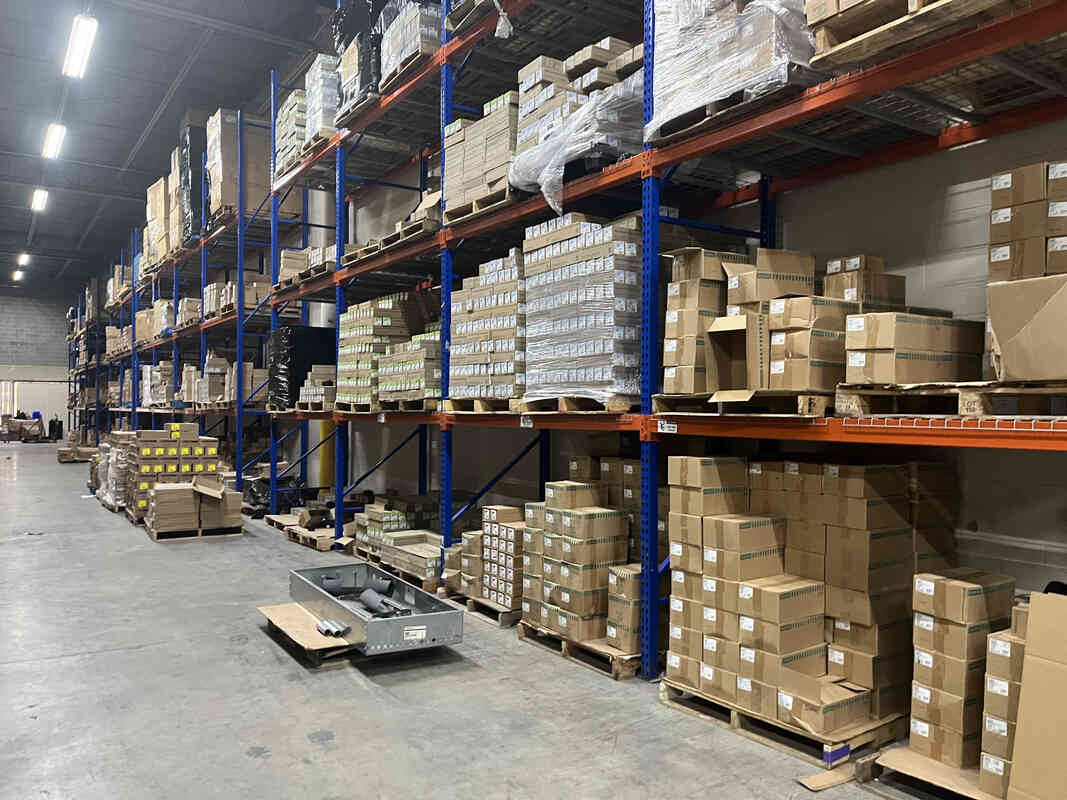
Equally important is having fast access to reliable replacement components when failures do occur. Industrial facilities depend on trusted suppliers who can quickly provide compatible parts and technical guidance during repairs.
If your facility is dealing with recurring starter failures, aging electrical equipment, or sourcing delays during outages, the next step is ensuring you have access to the right components when you need them.
Electrical Power and Control offers a wide selection of industrial electrical products—including motor starters, automation components, circuit breakers, switchgear, and more—to help facilities restore equipment quickly and keep production running.
Having the right parts available—and the right partner supporting your maintenance team—can make the difference between a short repair and a costly production shutdown.