In many industrial facilities, waste is treated as an unavoidable byproduct—something to remove quickly so operations can continue. But that mindset often hides a bigger issue. What gets labeled as “waste” frequently includes materials, components, and equipment that still hold measurable value.
Industrial recycling changes how facilities approach this problem. Instead of focusing only on disposal, it introduces a more structured way to recover value, reduce costs, and improve operational efficiency. For manufacturers and facility managers dealing with tight budgets, aging infrastructure, and supply chain uncertainty, this shift can have a direct impact on day-to-day performance.
At its core, industrial recycling is the process of evaluating and recovering value from used, surplus, or end-of-life materials. This includes everything from scrap metals and plastics to electrical components and equipment. Rather than sending these materials to landfills, they are sorted, processed, and either reused, refurbished, or converted into raw materials for future use.
Industrial waste recycling plays a key role within this broader system. It focuses specifically on processing waste streams—such as scrap, obsolete materials, and decommissioned equipment—into reusable forms. While this is often associated with environmental benefits, the operational advantages are just as important.
When done correctly, the benefits of industrial recycling extend far beyond sustainability. Facilities can reduce disposal costs, recover value from unused assets, and decrease reliance on new equipment purchases. Over time, this leads to better cost control, improved resource utilization, and more resilient operations.
The key difference comes down to perspective. Facilities that treat waste as a cost will continue to absorb unnecessary expenses. Those that approach industrial recycling as part of their operational strategy begin to see waste as an opportunity to recover value and improve performance.
What Is Industrial Recycling?
To understand how industrial recycling creates value, it helps to start with a clear definition. While the term is often used broadly, its meaning in an operational context is more specific—and more practical.
Industrial recycling is the process of recovering value from materials, components, and equipment generated through industrial operations. Instead of treating these items as waste, they are evaluated to determine whether they can be reused, refurbished, resold, or broken down into raw materials for future use.
At a surface level, this includes familiar activities like reclaiming scrap metal, processing plastics, and recycling industrial byproducts. But in practice, industrial recycling goes further. It involves identifying opportunities to extend the lifecycle of assets and reduce the need for new purchases.
This is where industrial waste recycling fits in. Industrial waste recycling focuses specifically on converting waste streams—such as scrap materials, obsolete inventory, or decommissioned equipment—into reusable resources. It plays an important role in reducing landfill use, but it is only one part of a larger system.
A more complete approach to industrial recycling considers multiple layers of value:
- Material value – recovering metals like copper, aluminum, and steel
- Component value – identifying parts that can still function or be refurbished
- Operational value – reducing downtime by keeping usable equipment available
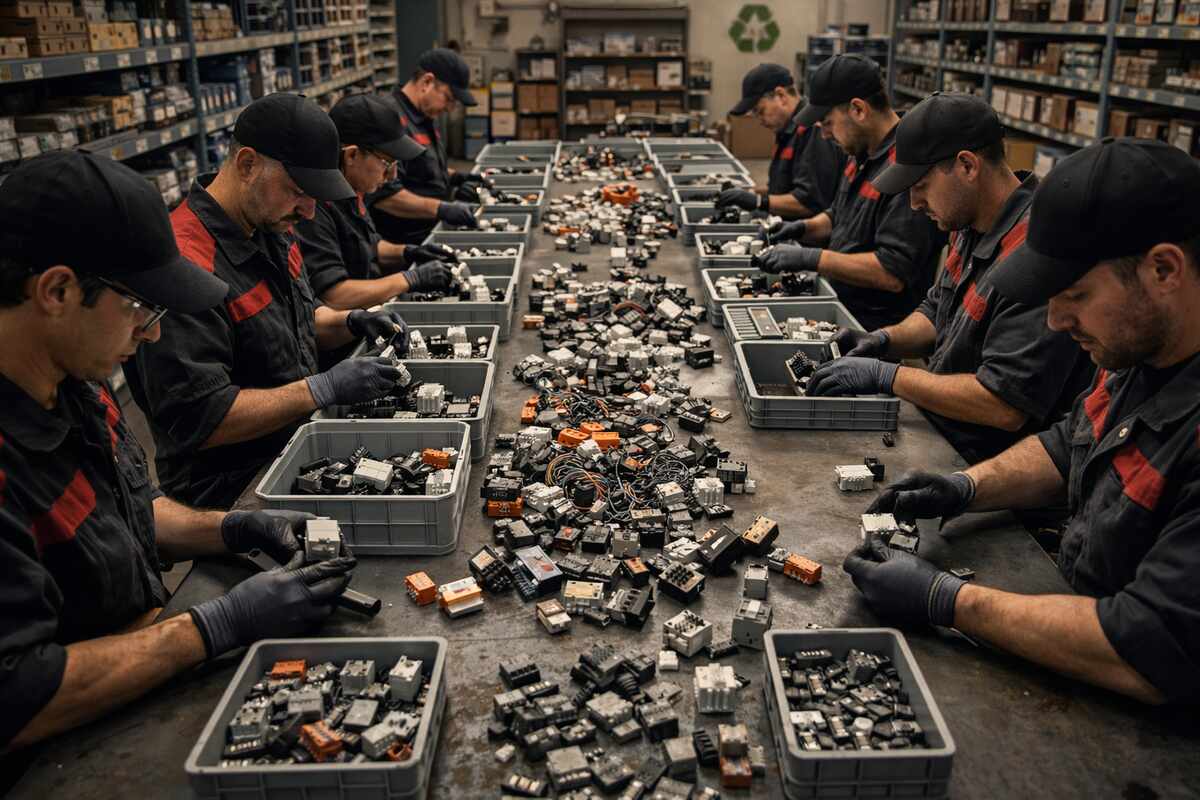
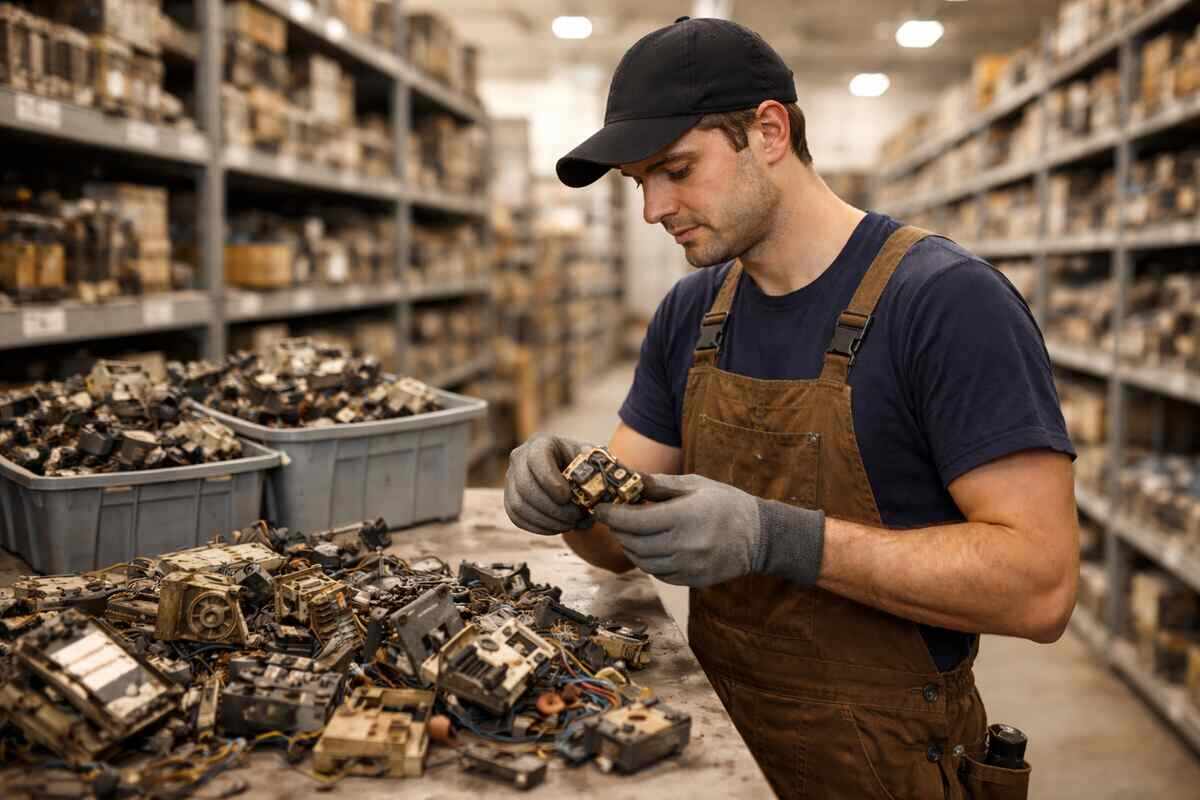
For example, a batch of removed electrical components might be treated as scrap under a traditional disposal model. Through industrial recycling, those same components could be evaluated for reuse, refurbished for future use, or processed to recover valuable materials.
This broader perspective is what separates basic recycling from a true operational strategy. It shifts the focus from simply managing waste to actively managing resources—helping facilities get more out of what they already have.
Industrial Recycling vs. Industrial Waste Disposal
One of the most common points of confusion is the difference between industrial recycling and traditional waste disposal. While they may seem similar on the surface, they lead to very different outcomes for a facility.
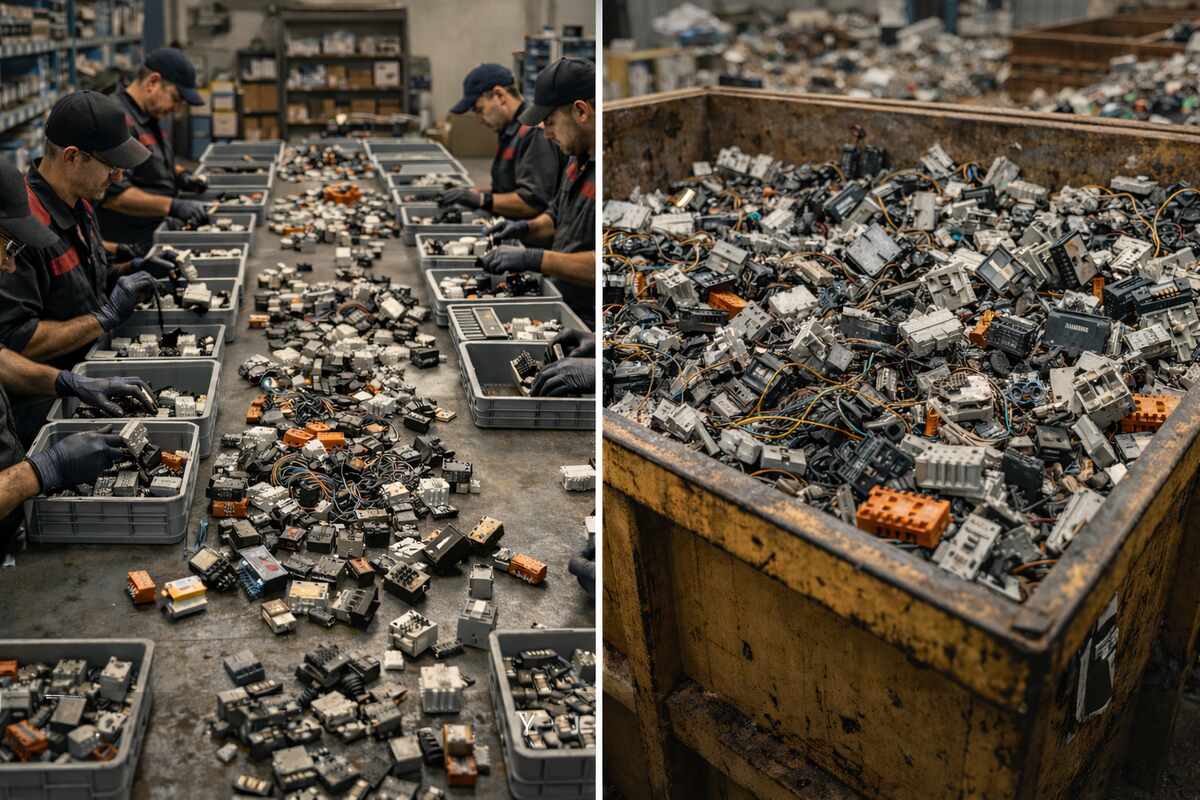
Industrial waste disposal is designed for speed and removal. When materials are classified as waste, the priority is to handle them safely, meet compliance requirements, and move them off-site as efficiently as possible. Once that happens, any remaining value in those materials is lost.
Industrial recycling takes a more deliberate approach. Before anything is discarded, materials are evaluated to determine whether value can still be recovered. This could mean extracting raw materials, identifying reusable components, or finding opportunities for refurbishment or resale.
This is where industrial waste recycling begins to shift from a basic process into a strategic advantage. Instead of viewing waste as something to eliminate, it becomes something to assess and potentially recover value from.
The difference becomes even clearer when looking at cost impact:
- Disposal treats materials as a liability — something that adds cost through handling, transportation, and fees
- Industrial recycling treats materials as an asset — something that may still hold financial or operational value
For example, a facility upgrading electrical systems may remove breakers, panels, or wiring. Under a disposal model, those items are simply discarded. Under an industrial recycling approach, they are evaluated first—some may be reused, others refurbished, and the rest processed through industrial waste recycling to recover material value.
This shift in thinking is what drives many of the benefits of industrial recycling. It reduces unnecessary spending, improves resource utilization, and helps facilities make more informed decisions about what they already own.
Over time, the impact compounds. Facilities that consistently evaluate before disposing tend to operate with better cost control, fewer procurement surprises, and greater overall efficiency.
Types of Industrial Recycling
Industrial recycling is not a single, uniform process. It includes several distinct approaches, each focused on recovering different types of value depending on the material, equipment, or operational context.
Understanding these types helps clarify where the biggest opportunities exist—and where many facilities unintentionally leave value behind.
Industrial Waste Recycling
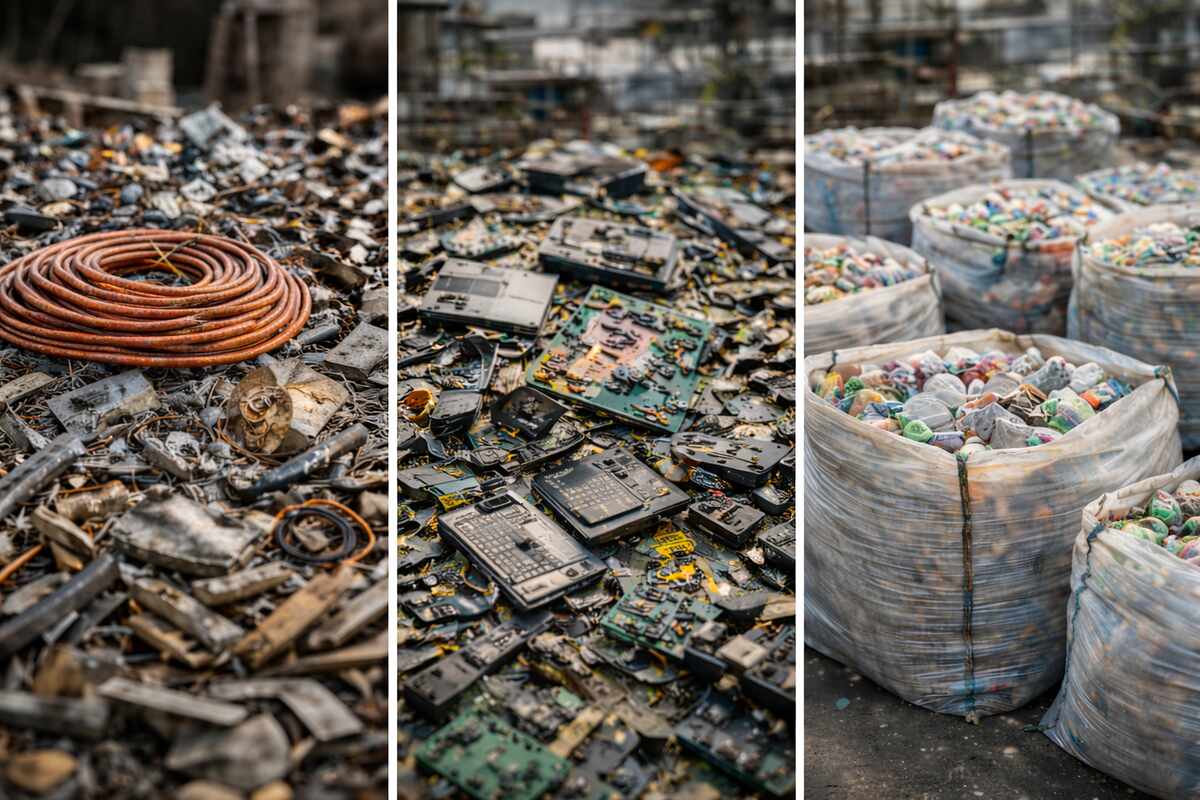
Industrial waste recycling is the most widely recognized form. It focuses on processing waste streams—such as scrap metal, plastics, and production byproducts—into reusable raw materials.
This type of recycling plays a critical role in reducing landfill waste and supporting sustainability goals. Materials are typically collected, sorted, and processed into forms that can be reintroduced into manufacturing.
While effective, this approach is often limited to material recovery. It captures value based on weight and commodity pricing but may overlook higher-value opportunities tied to equipment or components.
Electrical Scrap Recycling
Electrical scrap recycling focuses on components such as circuit breakers, transformers, control panels, cables, and wiring. These items are common in industrial environments and are frequently removed during upgrades, maintenance, or system changes.
What makes this category important is the combination of:
- High material value (e.g., copper, aluminum, and sometimes precious metals)
- Potential functional value (components that may still work or be refurbished)
In many facilities, electrical equipment is automatically classified as scrap. However, when evaluated properly, some components can be reused or repurposed—delivering significantly more value than material recovery alone.
Material Recovery vs. Component Recovery
A key distinction within industrial recycling is the difference between recovering materials and recovering components.
- Material recovery focuses on breaking items down into raw inputs (like metals or plastics)
- Component recovery focuses on preserving functionality—keeping parts intact for reuse or refurbishment
For example, recycling a copper cable for its raw material has value. But if a piece of electrical equipment can be reused or refurbished, it may offset the cost of purchasing a replacement entirely.
This is where many of the benefits of industrial recycling are either realized or missed.
Why This Distinction Matters
Facilities that focus only on industrial waste recycling often recover some value, but not the full potential. By expanding the approach to include component evaluation and reuse, organizations can:
- Reduce procurement costs
- Improve access to spare parts
- Minimize downtime risks
- Make better use of existing assets
In other words, the more intentional the approach to industrial recycling, the more value it can deliver—not just environmentally, but operationally.
How the Industrial Recycling Process Works
Understanding the industrial recycling process is what turns it from a one-time effort into a consistent, value-driven system. While the exact steps can vary depending on the type of material or equipment, most industrial recycling—and industrial waste recycling in particular—follows a structured flow.
When each stage is handled intentionally, facilities are able to recover significantly more value while reducing unnecessary loss.
1. Collection and Sorting
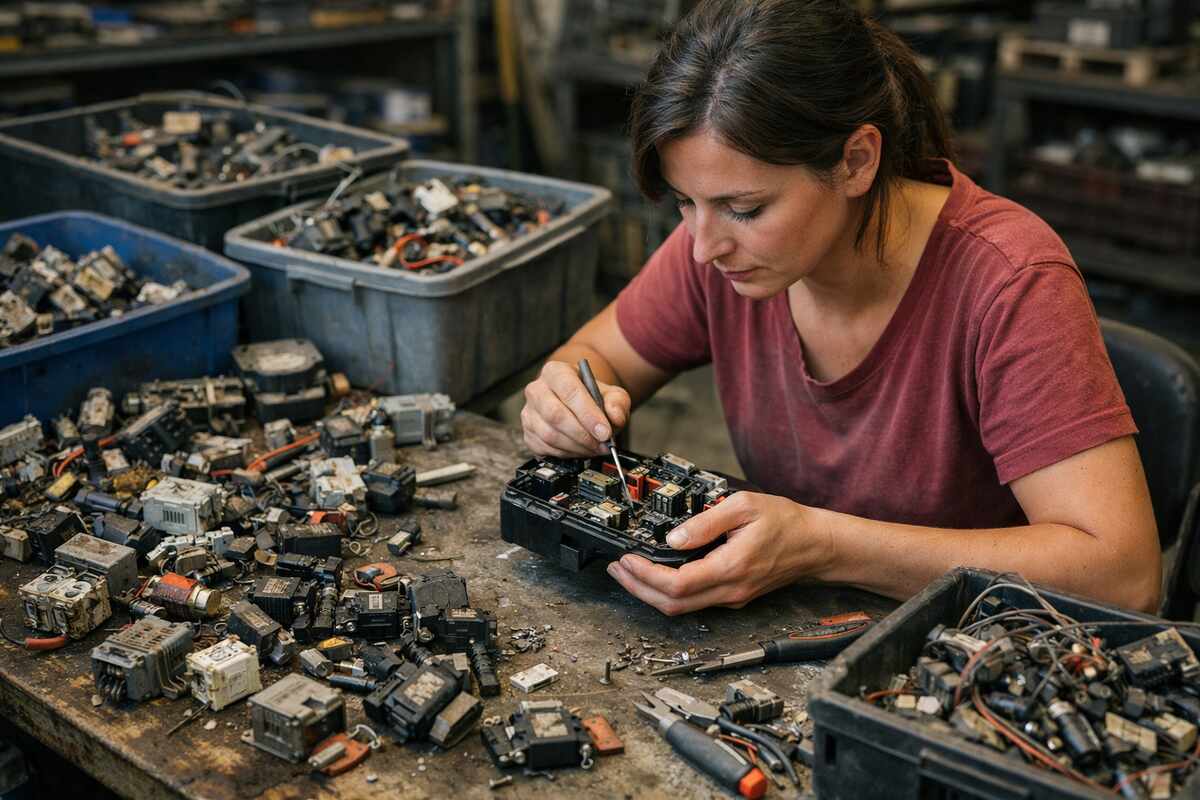
The process begins with collecting materials and separating them based on type, condition, and potential value.
In many facilities, this step is often rushed. Items are grouped together and removed quickly to keep operations moving. But this is where a large portion of value is either preserved or lost.
Effective sorting involves:
- Separating metals, plastics, and electronics
- Identifying electrical components that may still be functional
- Isolating high-value materials such as copper wiring
The goal is simple: prevent valuable materials from being treated as general waste.
2. Deconstruction and Material Separation
Once materials are sorted, the next step is breaking them down into their core components.
For industrial waste recycling, this may involve dismantling equipment, removing non-recyclable elements, and isolating valuable materials.
For more complex items—especially electrical equipment—this step requires greater precision. Components are carefully taken apart to:
- Preserve reusable parts
- Extract materials without contamination
- Avoid damaging items that could still function
This stage is where the difference between basic recycling and value-focused recycling becomes clear.
3. Recovery and Processing
After separation, materials move into the recovery phase. This is where they are processed into usable forms.
Depending on the material, this can include:
- Melting metals for reuse in manufacturing
- Refining materials for resale
- Preparing components for refurbishment
The efficiency of this stage depends heavily on how well earlier steps were handled. Proper sorting and careful deconstruction lead to higher recovery rates and better overall returns.
4. Reuse or Resale
The final step is where the full benefits of industrial recycling begin to take shape.
Recovered materials and components are reintroduced into use through:
- Internal reuse — redeploying components within the facility
- Refurbishment — restoring equipment for continued operation
- Resale — selling surplus materials or components into secondary markets
This is the stage where industrial recycling shifts from cost management to value creation.
Why the Process Matters
At a glance, the industrial recycling process may seem straightforward. But in practice, results depend on how consistently and deliberately each step is followed.
Facilities that treat this as a structured process—not just a cleanup task—are better positioned to:
- Capture value that would otherwise be lost
- Reduce reliance on new materials and equipment
- Improve overall operational efficiency
Over time, this consistency is what unlocks the full benefits of industrial recycling, turning it into a reliable part of everyday operations rather than an occasional initiative.
Benefits of Industrial Recycling
Once industrial recycling is approached as part of daily operations—not just a disposal task—the benefits become much more tangible. While sustainability is often the most visible advantage, the real impact shows up in cost control, equipment availability, and overall efficiency.
For manufacturers and facility managers, the benefits of industrial recycling are not abstract. They directly influence how smoothly operations run and how effectively resources are used.
Cost Reduction and Budget Control
One of the most immediate benefits of industrial recycling is reducing unnecessary spending.
Instead of paying for disposal and then purchasing new replacements, facilities can recover value from materials already on-site. Industrial waste recycling helps offset disposal costs, while reuse and refurbishment reduce the need for new equipment.
Over time, even partial recovery adds up—especially in environments where components are frequently replaced or upgraded.
Recovering Value from Existing Assets
Industrial recycling creates an opportunity to turn unused or obsolete materials into working value.
This can include:
- Scrap materials with commodity value (like copper or aluminum)
- Surplus inventory that can be resold
- Equipment that can be refurbished or repurposed
Rather than sitting idle or being discarded, these assets can be strategically recovered—an approach often referred to as investment recovery, where unused equipment is turned back into working capital.
Reduced Downtime and Faster Response
Downtime is one of the most expensive challenges in any industrial setting. Waiting on replacement parts or dealing with supply delays can quickly impact production.
Industrial recycling helps reduce this risk by:
- Identifying components that can be reused
- Maintaining access to viable spare parts
- Reducing reliance on urgent procurement
When parts are available internally, teams can respond faster and keep operations moving.
Stronger Supply Chain Resilience
Supply chain disruptions have made it harder to depend entirely on new equipment sourcing. Long lead times and limited availability can create operational bottlenecks.
Industrial recycling provides flexibility by allowing facilities to:
- Reuse existing components
- Reduce dependence on external suppliers
- Make more strategic purchasing decisions
This added resilience becomes especially valuable during periods of uncertainty.
Improved Inventory Efficiency
Without a structured approach, inventory often becomes a mix of overstock, obsolete parts, and unused materials.
Industrial recycling introduces more clarity by:
- Identifying what still has value
- Separating reusable components from true waste
- Reducing duplicate or unnecessary purchasing
This leads to more organized storage, better visibility, and more efficient use of space and capital.
Environmental and Compliance Benefits
While operational benefits often take priority, environmental impact still matters. Industrial waste recycling reduces the volume of material sent to landfills and ensures proper handling of potentially hazardous components.
This helps facilities:
- Meet regulatory requirements
- Reduce environmental risk
- Support sustainability initiatives
In many cases, these benefits align with broader company goals without requiring additional effort—just a more structured approach.
The Bigger Impact
Individually, each of these benefits is valuable. Together, they point to a larger shift.
Industrial recycling is not just about managing waste—it’s about improving how a facility operates. It reduces reactive decision-making, increases control over resources, and creates more predictable outcomes over time.
That’s where the real value lies.
The Hidden Costs of Not Recycling
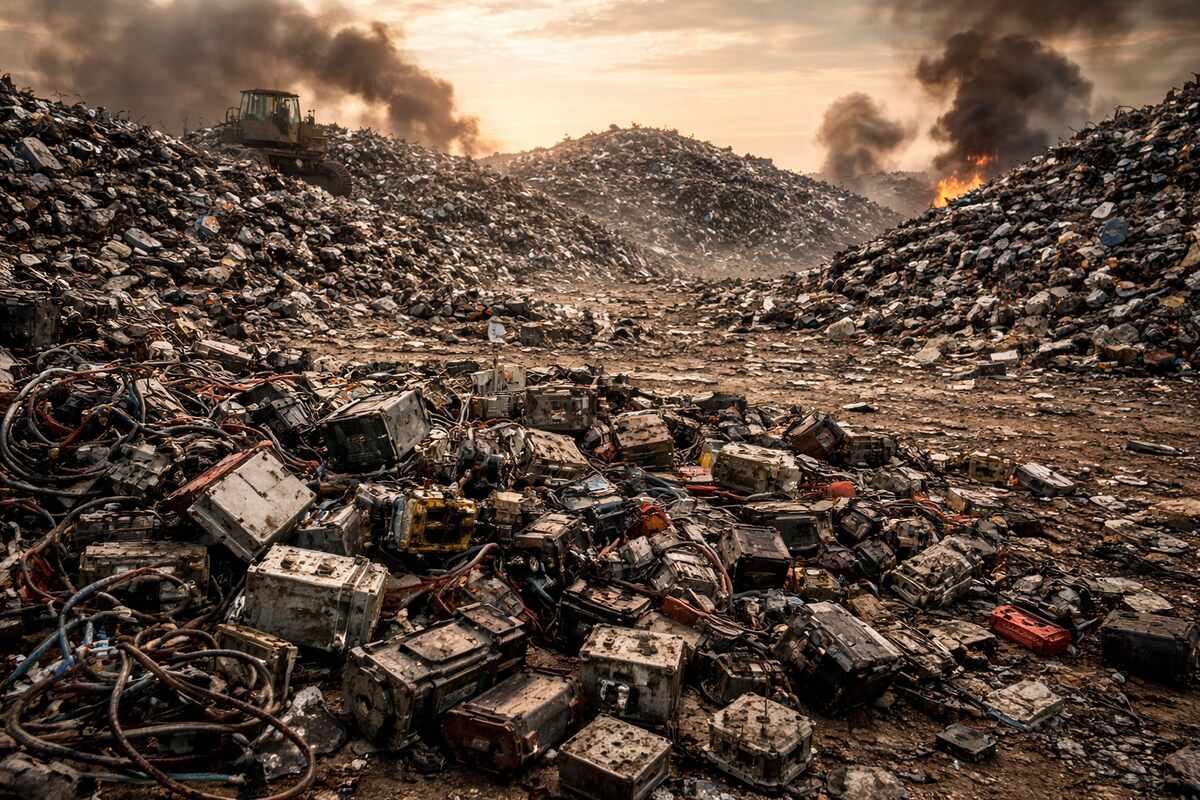
At first glance, industrial waste may seem like a routine cost of doing business—something to manage, remove, and move past. But for most facilities, the real cost goes far beyond disposal fees. In many cases, what appears to be “waste” is actually a combination of lost value, inefficiency, and avoidable operational risk.
Understanding these hidden costs is what makes industrial recycling—and industrial waste recycling in particular—a strategic priority rather than an afterthought.
Disposal Costs Are Only the Surface
The most visible cost is disposal itself. Hauling fees, landfill charges, and compliance-related expenses can add up quickly, especially in facilities generating large volumes of scrap or obsolete equipment.
But these costs are only the beginning. Many of the materials being discarded still hold value. When they are sent directly to disposal without evaluation, that value is permanently lost.
Lost Value in Materials and Equipment
One of the biggest hidden costs comes from materials and components that are discarded too quickly.
Electrical equipment, metals, and other industrial materials often:
- Contain recoverable raw materials
- Have potential for reuse or refurbishment
- Hold resale value in secondary markets
Without a structured approach to industrial recycling, facilities absorb the full cost of replacement while gaining nothing from what was removed.
Increased Dependence on New Purchases
When usable components are consistently discarded, facilities become more reliant on sourcing new equipment.
This creates a cycle:
- Old components are removed and thrown away
- New parts are purchased at full cost
- Inventory grows without clear visibility or strategy
Over time, this leads to higher procurement spend and less control over budgets.
Downtime and Delayed Operations
Another hidden cost is tied to availability. When potentially usable components are discarded, facilities lose access to parts that could be redeployed when needed.
This often results in:
- Longer lead times for replacements
- Emergency purchasing at higher costs
- Increased downtime while waiting for parts
In contrast, facilities that integrate industrial waste recycling and reuse into their process are better positioned to respond quickly and keep operations running.
Inventory Inefficiencies
Many facilities struggle with a buildup of unused or obsolete inventory. Without a clear system for evaluation and recovery, valuable materials sit idle while new items continue to be purchased.
This creates several issues:
- Storage space is consumed unnecessarily
- Capital is tied up in unused assets
- Procurement decisions become less efficient
Industrial recycling helps break this cycle by identifying what still has value and what should be processed or removed.
Compliance and Environmental Risk
Improper handling of industrial waste—especially electrical components—can introduce regulatory and environmental risks.
Certain materials require careful processing to avoid:
- Contamination
- Safety hazards
- Compliance violations
Industrial waste recycling ensures materials are handled responsibly, reducing exposure to penalties and long-term environmental impact.
The Bigger Picture
When viewed together, these factors reveal a larger issue: industrial waste is not just a disposal problem—it’s an operational blind spot.
Facilities that continue to treat waste as something to remove will keep absorbing unnecessary costs. Those that take a more structured approach—evaluating materials, recovering value, and integrating industrial recycling into daily operations—gain a clear advantage in cost control, efficiency, and reliability.
Turning Industrial Recycling Into a Strategic Advantage
Industrial recycling is often treated as a necessary step for managing waste—but in practice, it can become a much more valuable part of how a facility operates. When approached with the right structure, it shifts from a cleanup activity into a system for improving efficiency, controlling costs, and making better use of existing assets.
The difference comes down to how consistently materials are evaluated. Facilities that take the time to assess equipment before discarding it begin to uncover opportunities that would otherwise be missed—whether that’s reusing components, recovering material value through industrial waste recycling, or identifying assets that still hold resale potential.
Over time, this approach reduces reliance on urgent purchasing, improves inventory visibility, and helps teams respond more effectively when issues arise. Instead of operating reactively, facilities gain more control over their resources and decision-making.
For many organizations, the next step is simply knowing where to start. If your facility has surplus electrical components, obsolete inventory, or equipment that’s no longer in use, evaluating those materials is the first move toward recovering value.
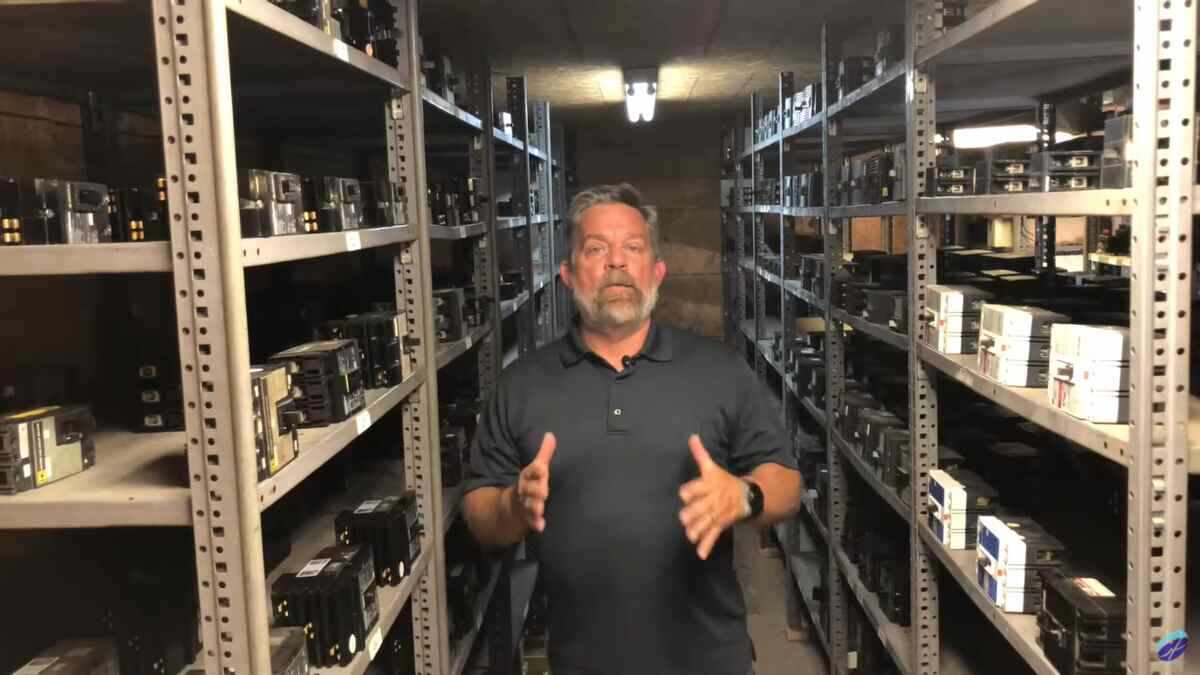
Electrical Power & Control works with industrial businesses to help identify, assess, and recover value from electrical equipment—whether through reuse, resale, or responsible recycling. With decades of experience supporting facility managers and operations teams, the focus is always on practical solutions that keep systems running efficiently.
If you’re looking to turn unused equipment into recovered value, you can learn more or start the process by visiting the Sell to Us page.