A circuit breaker replacement often looks simple on paper. The failed breaker is removed. A replacement is sourced. Operations resume. Unfortunately, that’s where many costly mistakes begin.
In industrial facilities, manufacturing plants, and commercial operations, a circuit breaker is far more than a replaceable component. It is a critical protective device responsible for safeguarding equipment, personnel, and production processes. When the wrong breaker is installed, the consequences can extend far beyond a maintenance issue.
A compatibility mistake can lead to nuisance tripping, equipment damage, failed inspections, unexpected downtime, and in some cases, serious safety hazards. What appears to be a routine replacement can quickly become a costly operational problem.
These risks are becoming more common as facilities manage aging electrical infrastructure, discontinued components, and increasingly complex compliance requirements. Maintenance teams are often under pressure to restore operations quickly, especially when production schedules are affected. In those situations, it can be tempting to assume that a breaker with similar ratings or physical dimensions will work as a replacement.
That assumption can be expensive. True circuit breaker compatibility involves far more than matching amperage ratings or finding a unit that physically fits the panel. Electrical ratings, interrupting capacity, manufacturer approvals, panel specifications, and regulatory requirements all play a role in determining whether a breaker is actually suitable for a specific application.
Understanding these factors is essential to maintaining reliability, protecting assets, and minimizing unplanned downtime.
This guide explains what circuit breaker compatibility really means, highlights the most common mistakes facilities make when replacing breakers, and provides a practical framework for making informed replacement decisions that reduce risk and support long-term operational performance.
What Is Circuit Breaker Compatibility?
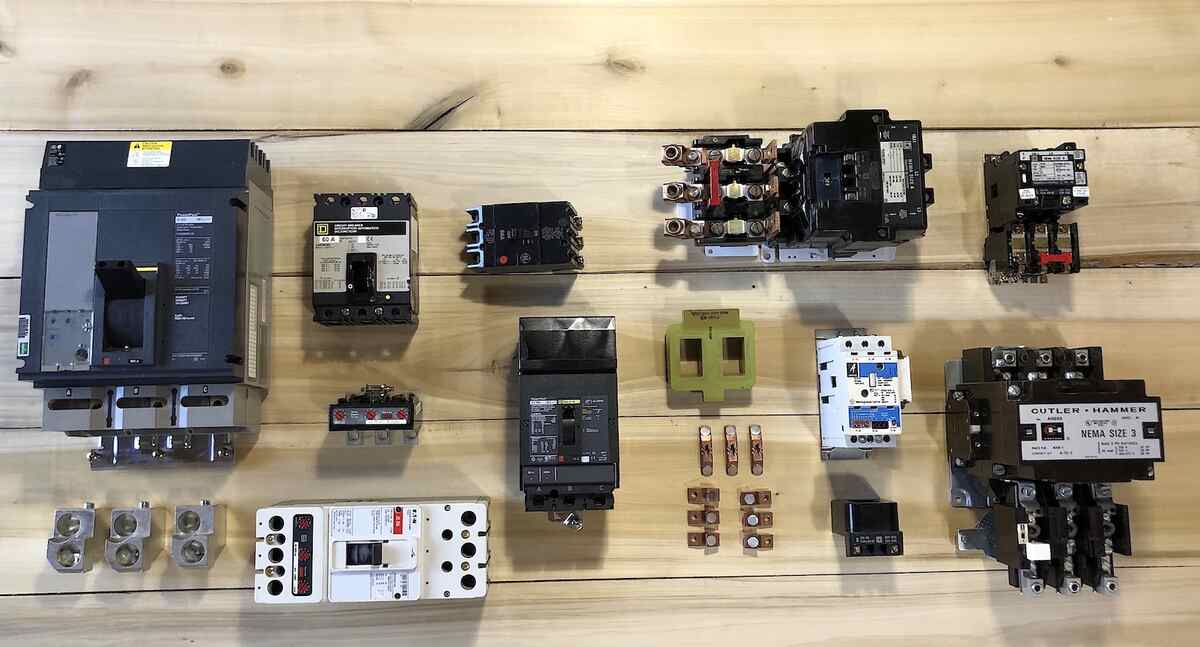
Circuit breaker compatibility is the process of determining whether a replacement breaker can safely and effectively perform the same protective function as the original device within a specific electrical system.
Many people assume compatibility simply means matching the amperage rating or finding a breaker that physically fits the panel. While those factors matter, they represent only a small part of the equation.
A breaker is designed to work as part of a larger electrical system, and understanding different breaker types can help clarify why compatibility requirements vary between applications. Every component within that system, including the panelboard, conductors, connected equipment, and fault protection requirements, influences whether a replacement breaker is truly compatible.
A breaker that appears identical on the outside may have different performance characteristics, certification requirements, or operating limitations that make it unsuitable for the application.
Why Compatibility Involves More Than Physical Fit
Imagine replacing a critical machine component with a part that looks identical but was designed for a different operating environment. The machine might start. It might even run for a while.
But under stress, the differences become apparent. Circuit breakers operate the same way.
A replacement breaker must not only fit mechanically but also perform correctly during overload conditions, short circuits, ground faults, and other abnormal events. If it fails to operate as intended, the consequences can include damaged equipment, production interruptions, safety incidents, and compliance violations.
This is why experienced facility managers and electrical professionals never evaluate compatibility based solely on appearance.
The Five Factors That Determine Compatibility
Before approving a replacement breaker, several key factors must be verified.
1. Ampere Rating
The ampere rating determines how much continuous current the breaker can safely carry before tripping.
While matching amperage is important, it is only the starting point. Two breakers with identical amp ratings may have completely different performance characteristics.
2. Voltage Rating
Every breaker is designed to operate within specific voltage limits. Installing a breaker with an incorrect voltage rating can compromise system protection and create safety concerns.
3. Interrupting Capacity
Interrupting capacity, sometimes called the interrupting rating or AIC rating, represents the maximum fault current a breaker can safely interrupt.
This is one of the most commonly overlooked compatibility factors. A breaker may fit the panel perfectly but still be incapable of safely interrupting available fault current during a major electrical event.
4. Mechanical Fit and Mounting Design
Physical compatibility remains important. The breaker must fit properly within the panelboard or equipment assembly and maintain secure electrical and mechanical connections. Even small differences in mounting systems can affect performance and safety.
5. Panelboard Approval and Listing Requirements
Perhaps the most critical factor is whether the breaker is approved for use within the specific panel or equipment.
Manufacturers test and certify breaker-panel combinations to ensure safe operation. Installing an unapproved breaker can create code compliance concerns and may expose facilities to inspection, liability, or insurance-related issues.
Compatibility Is About System Protection
The purpose of a circuit breaker is not simply to turn power on and off. Its primary job is to protect people, equipment, and operations when electrical conditions become dangerous.
That protection depends on the breaker functioning exactly as intended within the system for which it was designed. Compatibility is therefore not a matter of convenience. It is a matter of safety, reliability, compliance, and operational continuity.
Understanding this distinction is the first step toward avoiding the costly mistakes that lead to downtime, equipment damage, and unnecessary risk.
Why Breaker Compatibility Matters More Than Ever
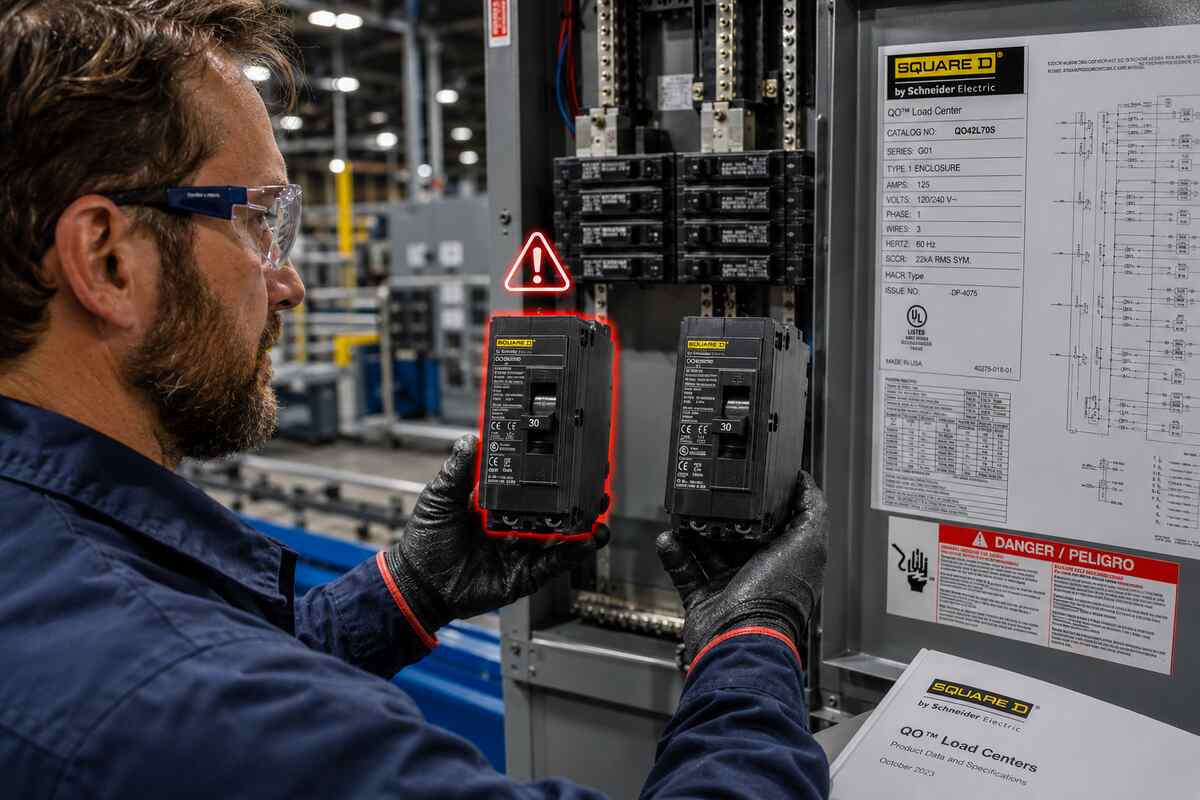
Circuit breaker compatibility has become increasingly important as facilities face aging infrastructure, obsolete components, and growing reliability demands. In the past, replacing a failed breaker was often straightforward. Today, many facilities operate equipment that is decades old, making exact replacements harder to find and increasing the likelihood of compatibility issues. As a result, understanding breaker compatibility checking has become an essential part of maintaining reliable electrical systems. At the same time, the cost of getting it wrong has never been higher.
An incompatible breaker can contribute to equipment damage, unplanned downtime, safety risks, and compliance concerns. What seems like a simple replacement decision can have a direct impact on operational reliability and maintenance costs.
This challenge is especially common in industrial environments, where maintenance teams must balance production pressures with the need to maintain safe and dependable electrical systems.
As a result, compatibility can no longer be treated as a minor specification check. It is a critical part of protecting equipment, maintaining uptime, and reducing operational risk. Understanding why compatibility matters is the first step. The next step is recognizing the mistakes that cause facilities the most problems.
Circuit Breaker Compatibility Mistake: Assuming Breakers Are Interchangeable
When a circuit breaker fails, the pressure to restore operations can be intense. Production may be halted. Maintenance teams may be facing deadlines. Procurement personnel may be searching for any available replacement that appears to match the original breaker’s specifications.
In these situations, one of the most common and costly assumptions is that circuit breakers are interchangeable. They often are not.
Why Similar-Looking Breakers Can Have Very Different Characteristics
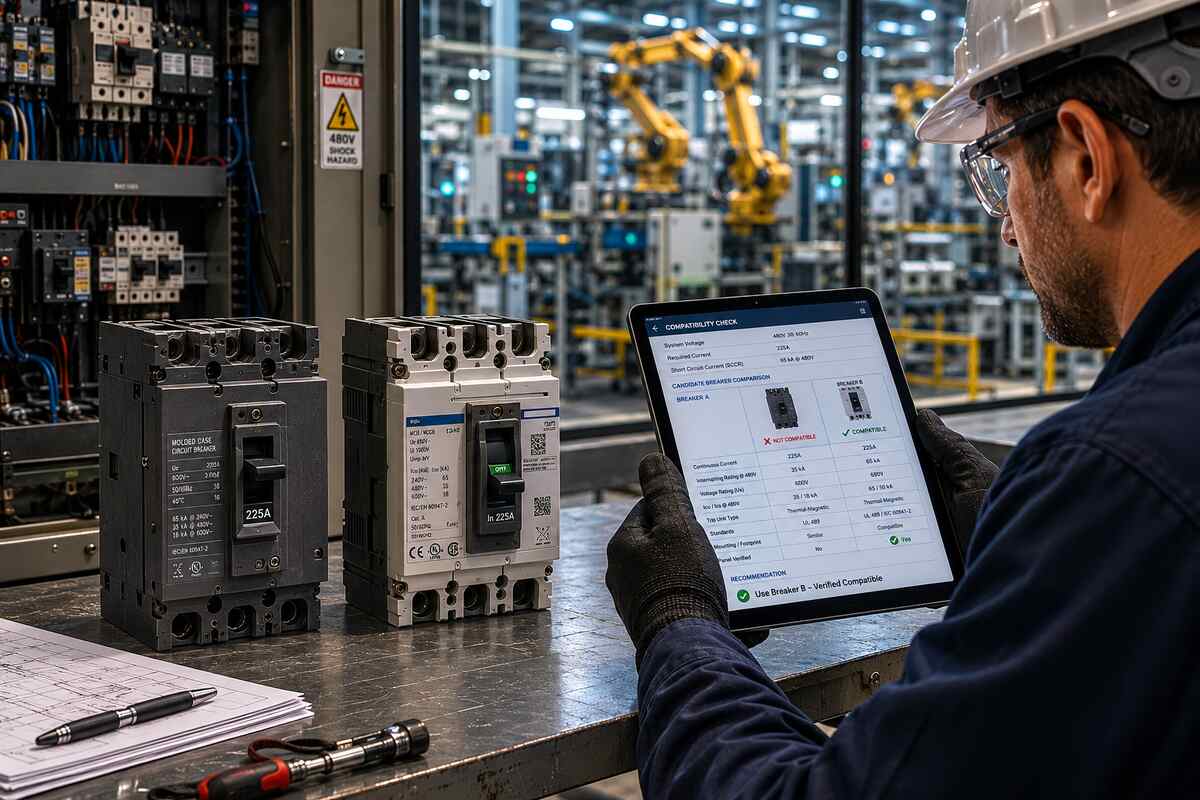
Two breakers can appear nearly identical at first glance. They may share the same ampere rating. They may fit into the same panel opening. They may even come from the same manufacturer.
Despite these similarities, the breakers may have different trip characteristics, interrupting capacities, certification requirements, or compatibility approvals. From the outside, those differences are invisible. From a system protection standpoint, they are critical.
This is why experienced electrical professionals never assume compatibility based solely on physical appearance or basic ratings.
The Hidden Risk of “It Fits, So It Must Work”
A common scenario occurs when a facility discovers that an original breaker is no longer available. A replacement option is found that appears to fit the panel and matches the amperage rating. Because the replacement seems functionally identical, it is installed without further verification.
Initially, everything appears normal. The equipment powers up. Operations resume. No immediate issues are visible.
The problem is that electrical protection systems are rarely tested under normal operating conditions. Their true purpose is revealed when an overload, short circuit, or fault event occurs.
If the replacement breaker was not designed, tested, or approved for that application, it may not perform as expected when protection is needed most.
Interchangeability and Compatibility Are Not the Same Thing
This distinction is important. Interchangeability refers to whether one component can physically replace another. Compatibility determines whether that replacement can safely and reliably perform the same function within the electrical system.
A breaker can be interchangeable from a mechanical standpoint while still being incompatible from an electrical, regulatory, or safety perspective. This is where many costly mistakes originate.
Real-World Consequences of Assuming Compatibility
When facilities assume interchangeability instead of verifying compatibility, the risks can extend far beyond the breaker itself.
Potential consequences include:
- Nuisance tripping that disrupts production
- Failure to trip during fault conditions
- Damage to motors, drives, transformers, and other connected equipment
- Increased maintenance costs
- Unexpected downtime
- Failed inspections
- Compliance concerns
- Increased liability exposure
In many cases, the replacement breaker itself is one of the least expensive components involved. The true costs emerge when operations are interrupted or equipment is damaged.
What Facility Managers Should Do Instead
Rather than asking, “Will this breaker fit?”
A better question is:
“Has this breaker been verified as compatible with this specific panel, application, and operating environment?”
That verification should include:
- Manufacturer documentation
- Panelboard requirements
- Electrical ratings
- Listing or classification approvals
- Available fault current requirements
Taking a few extra minutes to confirm compatibility can prevent hours, days, or even weeks of avoidable downtime later.
The safest replacement is not necessarily the one that is easiest to find. It is the one that has been properly verified to protect the system as intended.
Circuit Breaker Compatibility Mistake: Matching Amperage While Ignoring Interrupting Capacity
When evaluating a replacement breaker, the ampere rating is usually the first specification people check.
That’s understandable. The amp rating is clearly visible, easy to compare, and widely understood. If the failed breaker is rated for 100 amps, many assume the replacement simply needs to be another 100-amp breaker.
Unfortunately, compatibility is not that simple. Two breakers with identical ampere ratings can have dramatically different capabilities when it comes to handling fault conditions. Focusing only on amperage while ignoring interrupting capacity can create a hidden vulnerability within the electrical system.
What Is Interrupting Capacity?
Interrupting capacity, often referred to as the interrupting rating or AIC (Ampere Interrupting Capacity), represents the maximum fault current a breaker can safely interrupt without failing.
Under normal operating conditions, this specification may never seem important. During a short circuit or major fault event, however, it becomes one of the most critical characteristics of the breaker.
When fault current exceeds the breaker’s interrupting capacity, the breaker may be unable to safely clear the fault. Instead of protecting the system, the breaker itself can become damaged or fail catastrophically. This is precisely the type of event circuit breakers are designed to prevent.
Why Amp Rating Alone Is Not Enough
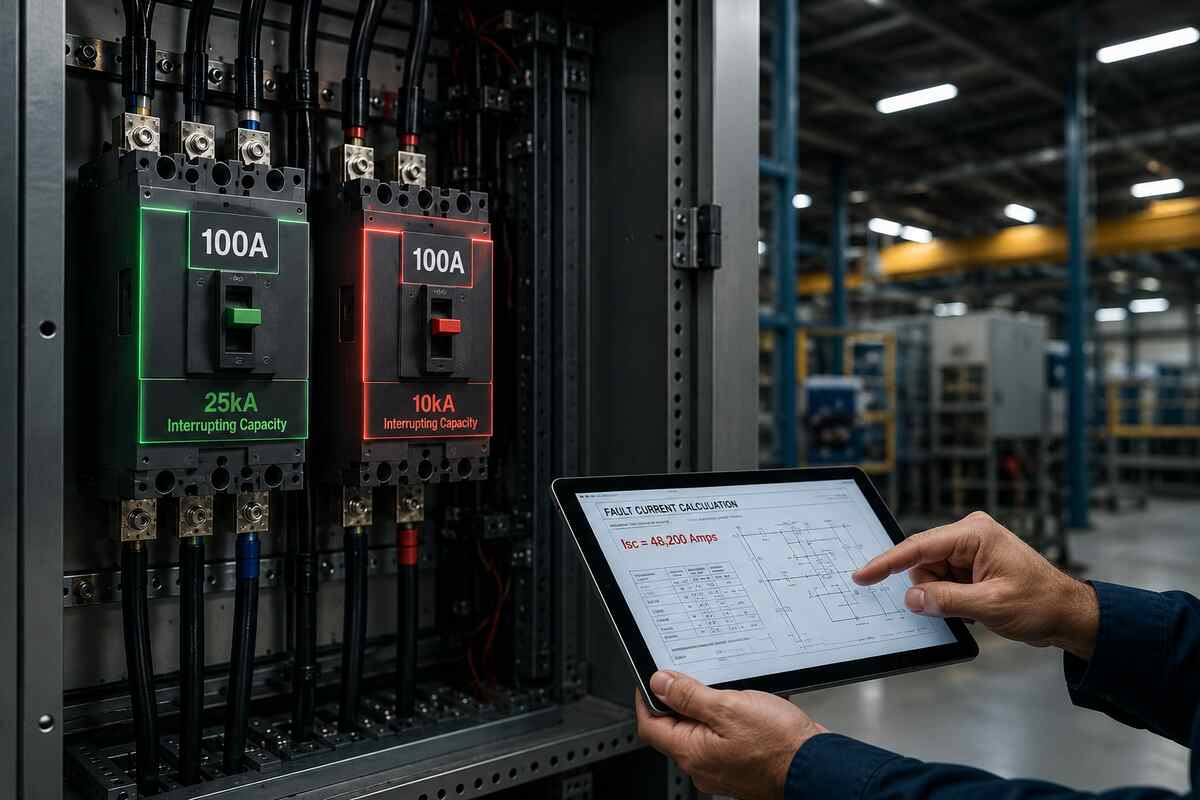
Consider two breakers that are both rated at 100 amps. At first glance, they appear equivalent. However, one breaker may have an interrupting capacity of 10,000 amps, while another may be rated for 25,000 amps or higher.
Both breakers can carry the same normal operating load. Only one may be capable of safely protecting the system during a high-fault-current event. This is why matching amperage alone does not guarantee compatibility.
The breaker must also be capable of handling the available fault current at the installation location.
The Risk of Underrated Interrupting Capacity
Fault current levels vary significantly between facilities and even between different locations within the same facility.
Factors that influence available fault current include:
- Utility service characteristics
- Transformer size and location
- System configuration
- Conductor lengths
- Distribution equipment design
As electrical systems evolve through expansions, upgrades, and equipment additions, available fault current may increase over time. A replacement breaker that appears suitable based on amperage alone may no longer provide adequate fault protection.
This is why interrupting capacity should always be verified during the replacement process.
What Can Happen When Interrupting Capacity Is Insufficient?
When a breaker is exposed to fault current beyond its rated interrupting capacity, the consequences can be severe.
Potential outcomes include:
- Failure to clear the fault
- Damage to the breaker itself
- Damage to switchgear and panelboards
- Extended equipment outages
- Increased repair costs
- Elevated safety risks for personnel
These events are relatively rare, but when they occur, the financial and operational impact can be significant.
A breaker’s protective function is most important during abnormal conditions. If it cannot perform during those moments, the entire protection strategy is compromised.
How Facility Managers Can Avoid This Mistake
Before approving a replacement breaker, verify more than the ampere rating.
Review:
- Interrupting capacity requirements
- Available fault current calculations
- Panelboard specifications
- Manufacturer documentation
- Applicable code and listing requirements
If fault current information is unavailable or outdated, it may be worth conducting a system review before proceeding with the replacement. A few minutes spent verifying interrupting capacity can help prevent costly failures that may affect equipment, production schedules, and employee safety.
Compatibility Means Matching Performance, Not Just Specifications
One of the most common replacement mistakes is assuming that identical amp ratings indicate identical protection. They do not.
A breaker’s ability to safely interrupt fault current is a fundamental part of its protective function. Ignoring that capability introduces risk that may remain hidden until the worst possible moment.
True circuit breaker compatibility requires verifying not only what a breaker does during normal operation, but also how it performs when the system experiences a fault.

Circuit Breaker Compatibility Mistake: Mixing Manufacturers Without Verification
When an exact replacement breaker is unavailable, many facilities look for alternatives from other manufacturers. In some cases, this approach is completely appropriate. In others, it can create serious compatibility and compliance issues. The key is verification.
Not All Cross-Brand Replacements Are Approved
A common misconception is that if a breaker fits the panel and matches the electrical ratings, it can be used as a replacement.
However, panel manufacturers typically test and approve specific breakers for use within their equipment. Installing a breaker that has not been properly listed or classified for that panel may create compliance concerns and potentially affect system performance.
Understanding Listed vs. Classified Breakers
Listed breakers are approved by the manufacturer for use in a specific panel or equipment line. Classified breakers are independently tested and certified for use in designated panels from other manufacturers.
Both can be acceptable solutions when properly selected. Problems arise when facilities assume a breaker is compatible without confirming its approval status.
The Cost of Assumptions
During an emergency replacement, it is easy to prioritize availability over verification.
But a breaker that lacks proper approval for the application can lead to:
- Failed inspections
- Compliance concerns
- Increased liability exposure
- Questions about system reliability
These issues may not appear immediately, but they can surface later during audits, maintenance reviews, or fault events.
Verify Before You Install
Before using a replacement breaker from a different manufacturer, confirm:
- The breaker is approved for the specific panel
- Listing or classification requirements are met
- Electrical ratings match application requirements
- Documentation supports the replacement decision
Cross-brand replacements are not automatically wrong. Assuming compatibility without verification is.
Circuit Breaker Compatibility Mistake: Choosing Availability Over Compatibility
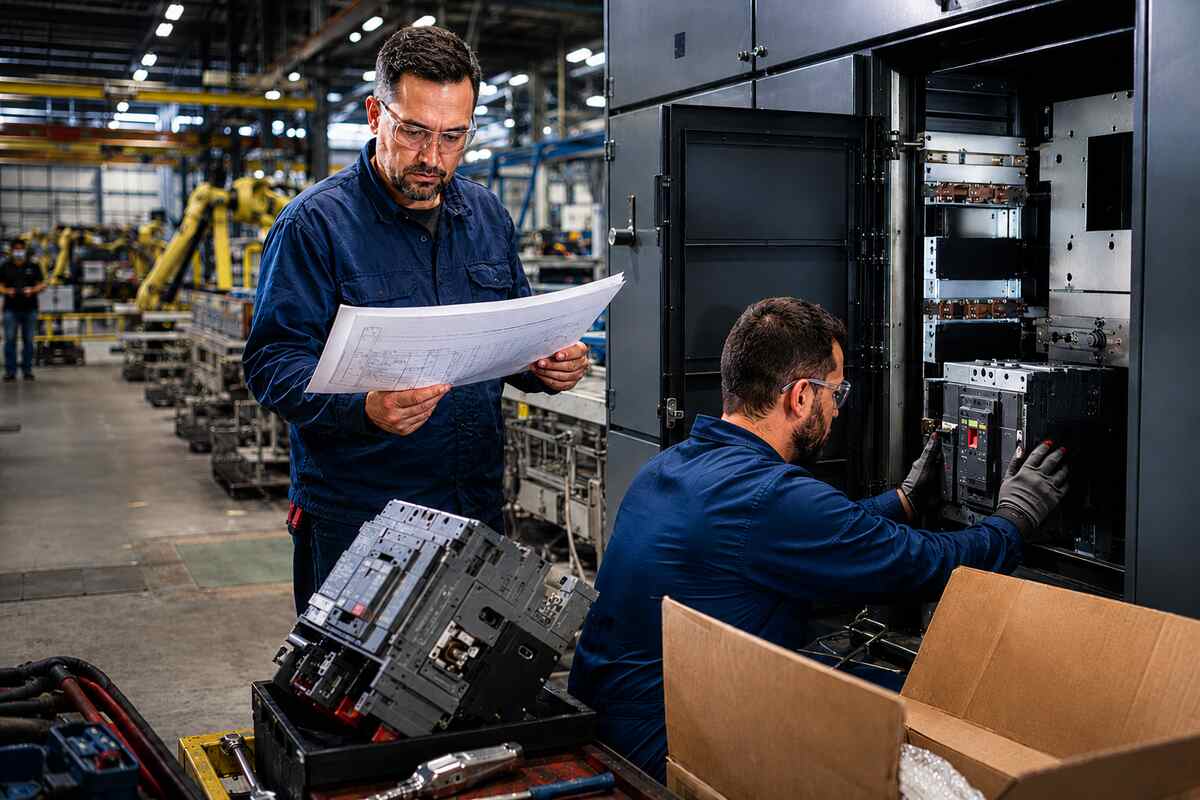
When equipment is down, speed becomes the priority. Production schedules are affected, maintenance teams are under pressure, and every minute of downtime feels expensive. In these situations, the first available replacement breaker can be difficult to ignore. Unfortunately, availability does not guarantee compatibility.
The Pressure of Emergency Repairs
A failed breaker often creates urgency. The goal is to restore operations as quickly as possible. This pressure can lead facilities to make replacement decisions based on what is immediately available rather than what has been properly verified.
While this may seem like the fastest solution, it can create larger problems later.
Short-Term Fixes Can Create Long-Term Costs
A breaker that appears to solve today’s outage may introduce future reliability issues if it is not fully compatible with the system.
Potential consequences include:
- Repeated maintenance calls
- Nuisance tripping
- Reduced equipment protection
- Compliance concerns
- Additional downtime
What initially saves a few hours can ultimately cost days of troubleshooting and repairs.
Ask These Questions Before Ordering
Before selecting an alternative replacement, verify:
- Is the breaker approved for the panel?
- Do all electrical ratings match the application?
- Has compatibility been confirmed through documentation?
- Is there a recommended replacement from the manufacturer?
If the answer to any of these questions is unclear, additional verification is worth the effort.
The Best Replacement Is the Right Replacement
In emergency situations, speed matters. But reliability matters more.
The goal is not simply to get the system running again. The goal is to restore safe, dependable operation without introducing new risks that could cause another outage in the future.
What Happens When the Wrong Circuit Breaker Is Installed?
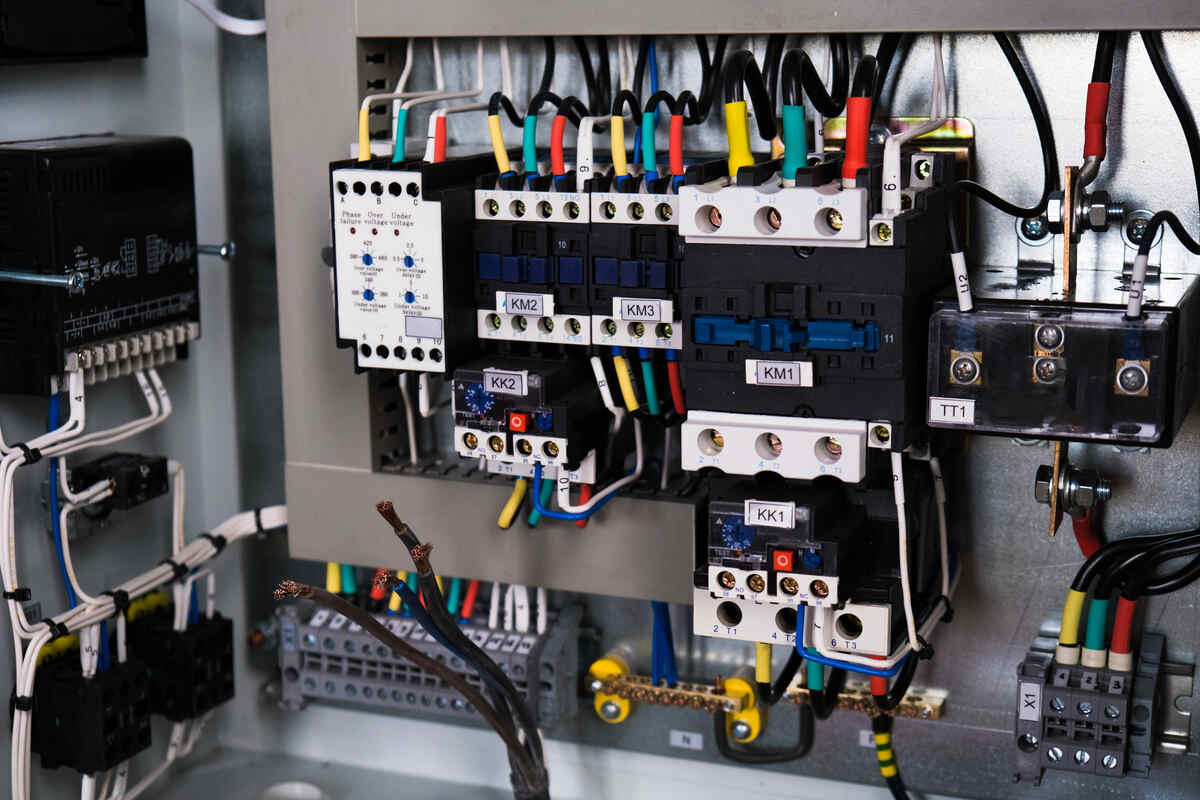
Many compatibility issues remain hidden until the electrical system is placed under stress. A breaker may fit correctly. Equipment may power on. Operations may continue without interruption.
This can create a false sense of confidence. The real test occurs when the breaker is called upon to perform its primary function: protecting the electrical system during an abnormal condition. If the breaker is incompatible with the application, the consequences can be significant.
Increased Risk of Equipment Damage
Circuit breakers are designed to protect valuable electrical assets from overloads and fault conditions.
When an incompatible breaker does not respond as intended, excessive current may reach sensitive equipment such as motors, drives, transformers, and control systems. The resulting damage can require costly repairs or premature equipment replacement.
In many cases, the cost of the damaged equipment far exceeds the cost of the breaker itself.
Production Downtime and Lost Revenue
For industrial facilities, downtime is often the most immediate and expensive consequence.
An improperly selected breaker can contribute to:
- Unexpected shutdowns
- Repeated nuisance tripping
- Delayed production schedules
- Missed customer commitments
- Emergency maintenance activities
Even a short interruption can create a ripple effect across operations, impacting productivity, labor utilization, and profitability.
Safety Hazards for Personnel
Circuit breakers serve a critical safety function. When protection systems fail to operate correctly, employees may be exposed to increased electrical hazards. Fault events that should be isolated quickly can escalate into situations that place personnel and equipment at greater risk.
Protecting people is one of the most important reasons compatibility verification should never be overlooked.
Compliance and Inspection Challenges
Electrical systems are expected to meet applicable codes, standards, and manufacturer requirements.
If an inspection reveals that a breaker has been installed without proper approval or compatibility verification, facilities may face:
- Failed inspections
- Corrective action requirements
- Additional maintenance costs
- Project delays
These issues often arise at the worst possible time, such as during audits, expansions, or equipment upgrades.
Rising Maintenance Costs
Compatibility mistakes rarely remain isolated events.
An incorrect replacement can lead to recurring troubleshooting efforts, repeated service calls, and ongoing reliability concerns. Over time, maintenance teams may spend far more time and money addressing symptoms than they would have spent verifying compatibility from the beginning.
The Real Cost Is Often Hidden
The price of a breaker is easy to measure. The cost of downtime, equipment damage, emergency labor, compliance issues, and operational disruption is much harder to quantify.
That is why experienced facility managers view breaker compatibility as a reliability and risk-management issue, not simply a purchasing decision. The goal is not merely to replace a failed breaker. The goal is to ensure the electrical system continues operating safely, reliably, and efficiently long after the replacement is complete.
Conclusion
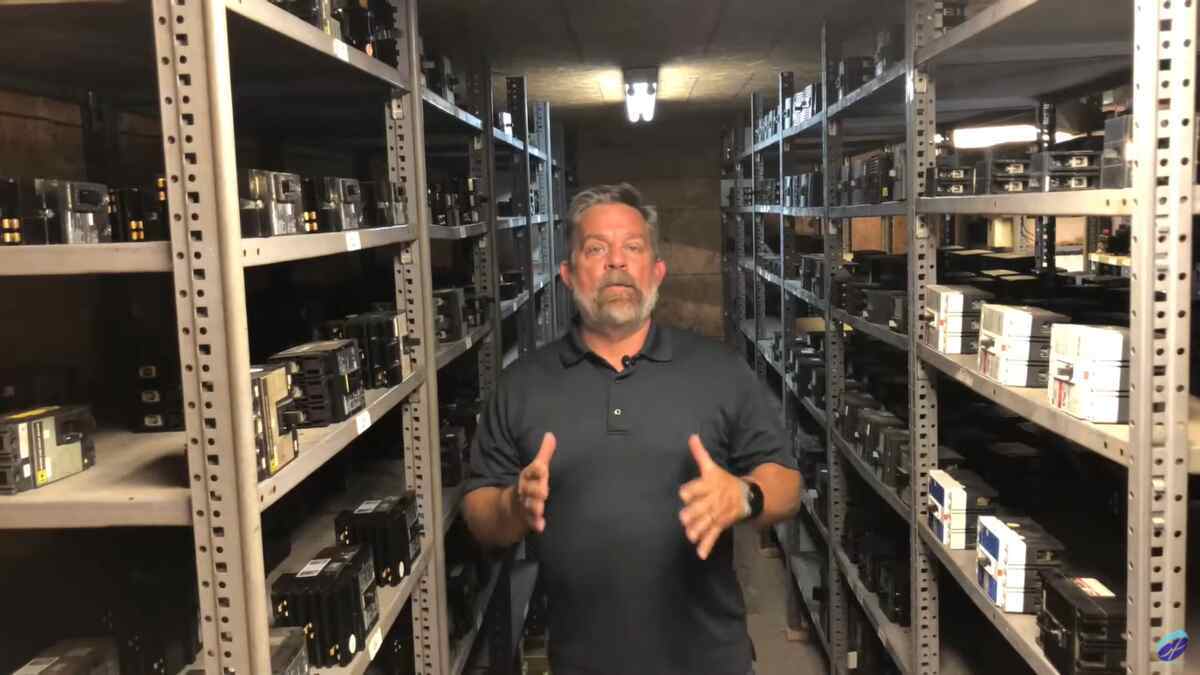
At Electrical Power and Control, we’ve seen firsthand how a seemingly simple breaker replacement can turn into a costly downtime event when compatibility isn’t fully verified.
That’s why we encourage facility managers and maintenance teams to slow down long enough to gather the right information before placing an order. Verifying the breaker model, panel specifications, electrical ratings, and manufacturer requirements can help prevent issues that may not become apparent until a fault condition occurs.
This step becomes even more important when dealing with obsolete equipment or legacy electrical systems. In many cases, finding a replacement is only part of the challenge. Confirming that the replacement will operate safely and reliably within the existing system ultimately protects your operation.
If you’re researching replacement breakers, breaker accessories, switchgear components, or hard-to-find electrical products, we invite you to explore our industrial electrical products catalog. Whether you’re sourcing a current-production component or evaluating options for aging equipment, our goal is to help you make informed decisions that support reliability, safety, and long-term performance.
The best breaker replacement isn’t simply the one that’s available. It’s the one that’s verified to protect your system when it matters most.