You ordered the breaker.
You approved the PO.
Your crew is standing by.
And you’re still waiting.
If a single circuit breaker is holding up your entire job, you’re not alone. Contractors and facility managers across the country are running into the same wall long lead times, backorders, vague ETAs, and suppliers who suddenly “don’t have visibility.”
Let’s break down what’s really happening and what you can do about it.
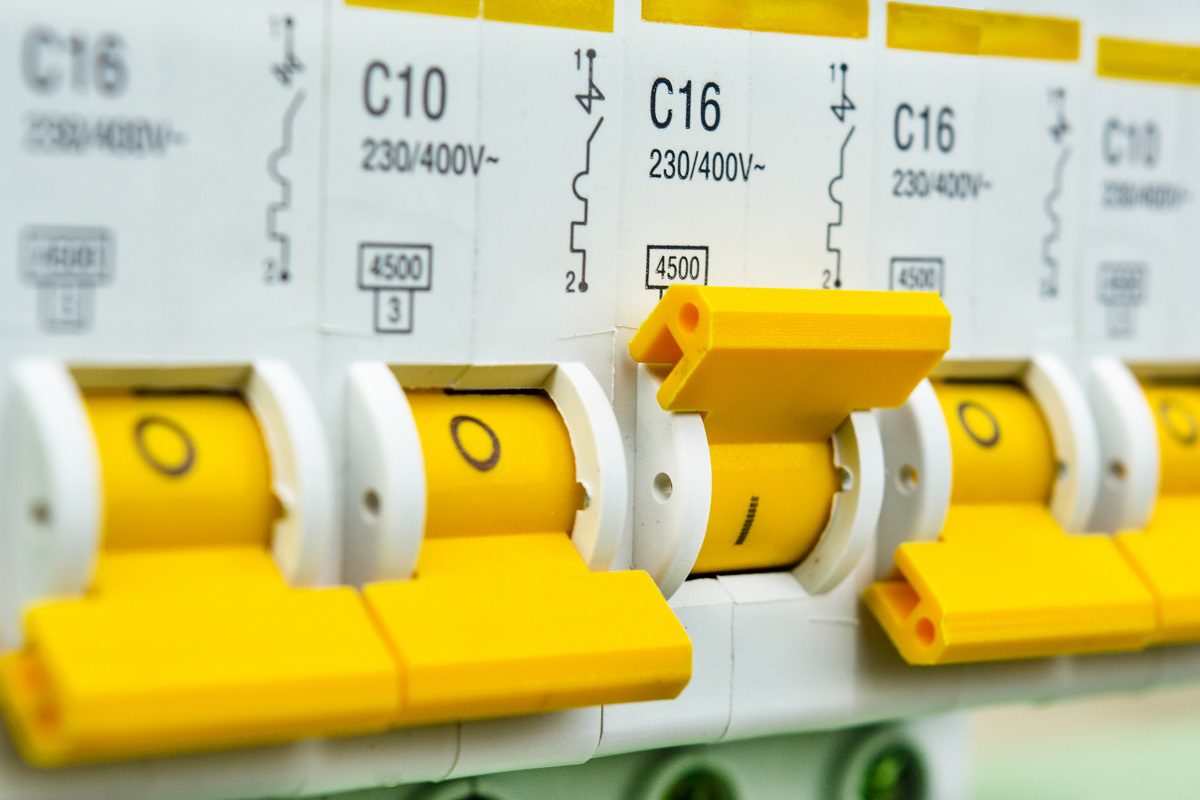
Why Are Circuit Breakers Taking So Long to Arrive?
Short answer: Demand spikes, supply chain bottlenecks, and product complexity are colliding.
Long answer: The delay usually isn’t caused by one problem. It’s several layers stacking on top of each other manufacturing priorities, component shortages, customization requirements, and distribution gaps.
Here’s what’s actually happening behind the scenes.
1. Manufacturers Prioritize High-Volume SKUs
Large manufacturers like Square D, Eaton, and Allen-Bradley run production lines based on volume efficiency.
That means:
- High-demand residential and common commercial breakers move first.
- Standard amperage ranges get priority.
- Fast-moving SKUs are replenished continuously.
But specialty breakers? They get scheduled.
If you need:
- An older molded case circuit breaker (MCCB)
- A specific interrupt rating
- A frame size that isn’t commonly ordered
- A discontinued or legacy model for retrofit work
You’re not at the front of the production queue.
Manufacturers batch-produce these lower-volume units to maintain profitability. If demand surges unexpectedly or materials run tight niche models get pushed further out.
So when you hear “extended lead time,” it often means your breaker isn’t in the current production cycle.
2. Raw Material & Component Delays Ripple Through Production
A circuit breaker is not a simple on/off device.
It contains:
- Precision trip units
- Magnetic assemblies
- Molded insulating housings
- Copper and silver contacts
- Calibration components
Each of those parts may come from a different supplier.
If just one of those subcomponents is delayed, the entire breaker assembly line slows down.
And here’s the key issue: production is interdependent.
For example:
- Copper shortages increase contact production time.
- Semiconductor delays affect electronic trip units.
- Resin supply impacts molded housings.
Even if 95% of the breaker is ready, the remaining 5% can stop everything.
Distributors can’t ship what hasn’t been completed. So the delay cascades from raw materials to assembly to warehouse availability and finally to your job site.
3. Custom or Panel-Specific Breakers Add Additional Layers of Delay
Standard breakers move faster.
Custom-configured breakers don’t.
If your breaker is tied to:
- A custom enclosure
- A specific MCC lineup
- A retrofit panel
- A coordinated arc-flash study
- Engineered protection settings
Lead time increases.
Why?
Because now you’re not just waiting for a breaker.
You’re waiting for:
- Compatibility verification
- Engineering review
- Panel fabrication alignment
- Possibly factory-configured trip settings
If the breaker is part of a larger build (MCC, switchgear, distribution board), it may not ship until the entire assembly is ready.
And if your supplier isn’t integrated with panel fabrication or doesn’t understand compatibility constraints, you can lose additional days just clarifying specs.
That’s not a manufacturing problem. That’s coordination delay.
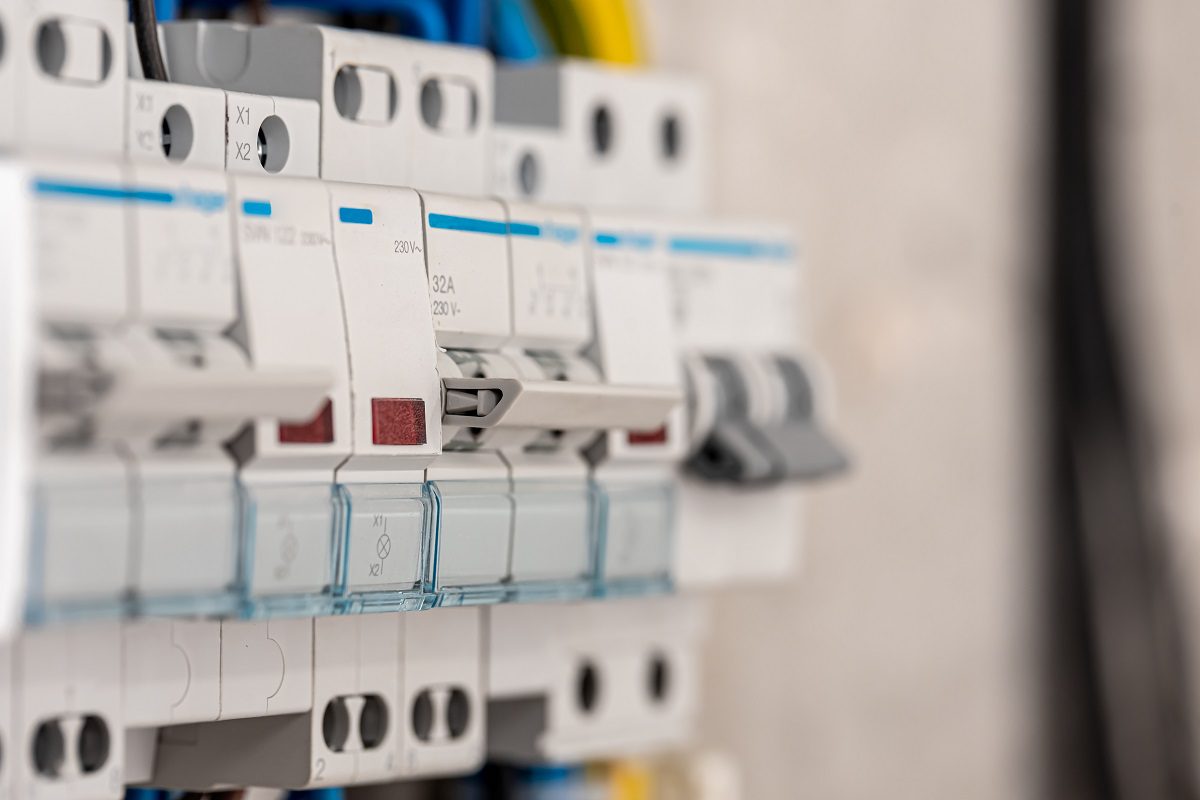
4. Some Distributors Don’t Stock Deep Industrial Inventory
Here’s the part most contractors don’t discover until it’s too late:
Many large distributors do not carry deep industrial breaker inventory.
They:
- List thousands of breaker models online.
- Accept orders for all of them.
- Rely heavily on manufacturer drop-ship fulfillment.
So when you place your order, they’re placing an order.
You’re not buying from stock.
You’re entering the same manufacturer queue everyone else is in.
This creates three common frustrations:
- “It showed available online.”
- “We’re waiting on confirmation from the factory.”
- “The lead time just changed.”
Without physical inventory in a warehouse, there’s no speed advantage.
That’s where lead times stretch from days into weeks — sometimes months.
5. Demand Surges Create Artificial Scarcity
There’s another factor that doesn’t get talked about enough: project clustering.
When:
- Infrastructure funding increases
- Large industrial expansions launch
- Data center construction accelerates
- Utilities upgrade grid systems
Breaker demand spikes in concentrated waves.
Manufacturers build forecasting models, but unexpected surges outpace projections.
When that happens:
- Large volume buyers lock in allocations.
- Smaller orders get pushed back.
- Specialty breakers feel the squeeze first.
You may only need one breaker.
But somewhere, a 500-unit order just took priority.
The Bottom Line
Circuit breaker delays aren’t random.
They’re usually caused by a combination of:
- Production prioritization
- Component shortages
- Custom configuration requirements
- Distributor inventory limitations
- Demand spikes
When those factors stack together, lead times stretch quickly.
And if you’re sourcing reactively waiting until the breaker is needed — you feel the full impact.
What Delayed Breakers Actually Cost You
It’s never just about the part.
It’s:
- A stalled project timeline
- A client breathing down your neck
- A facility line that can’t restart
- A crew billing hours without moving forward
For contractors, a missing breaker can mean reputational damage.
For facility managers, it can mean downtime that eats into quarterly performance metrics.
And you don’t get credit for explaining supply chain problems. You get judged on results.
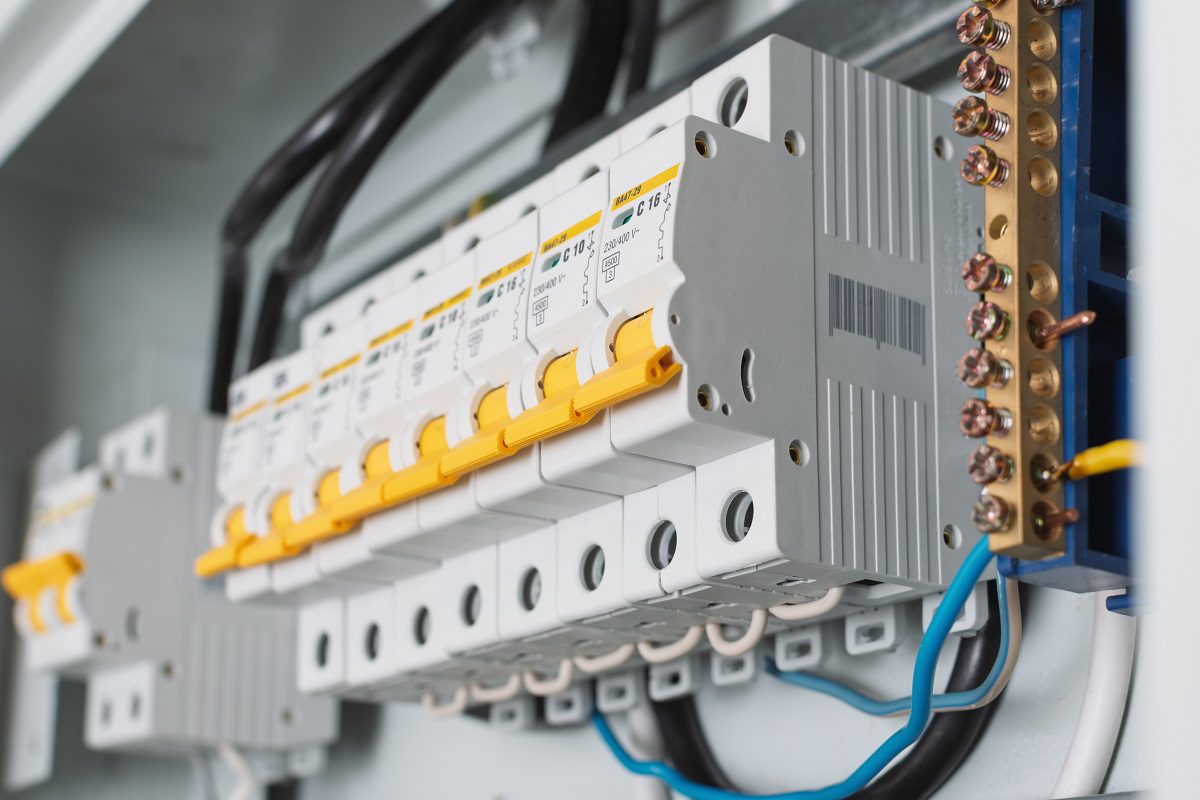
How to Avoid Long Circuit Breaker Lead Times
You can’t fix global manufacturing delays.
But you can stop being blindsided by them.
The contractors and facility managers who rarely get stuck waiting aren’t lucky they’ve adjusted how they source.
Here’s what they do differently.
1. Work With Suppliers Who Stock Breakers; Not Just List Them
There’s a big difference between a supplier who sells breakers and one who actually stocks them.
A lot of distributors operate like this:
- They show inventory online.
- They accept your order.
- Then they place that order with the manufacturer.
You don’t find out until later that your “in stock” breaker is really a 6–12 week lead time.
Before placing critical orders, ask direct questions:
- “Is this physically in your warehouse?”
- “How many units are on the shelf right now?”
- “If I order by 2 PM, does it ship today?”
- “Can you send a real-time stock confirmation?”
If the answer sounds vague, assume the lead time is outside their control.
When you’re managing tight schedules or uptime-sensitive facilities, you need confirmed inventory not catalog access.
2. Identify Cross-Compatible Alternatives Before You Need Them
One of the biggest causes of delay isn’t manufacturing.
It’s rigidity.
You spec one exact breaker model.
That model goes backordered.
Now the entire job freezes.
But in many cases, there are:
- Equivalent interrupt ratings
- Approved substitute models
- Backward-compatible units
- Retrofit kits
- Reconditioned OEM breakers (when appropriate)
The key is knowing that before you’re in crisis mode.
Smart teams build compatibility flexibility into their planning:
- Keep an approved alternative list.
- Confirm interchangeable models during project design.
- Work with suppliers who understand panel compatibility not just part numbers.
Because when a breaker fails or a job stalls, you don’t have time to start researching substitutes from scratch.
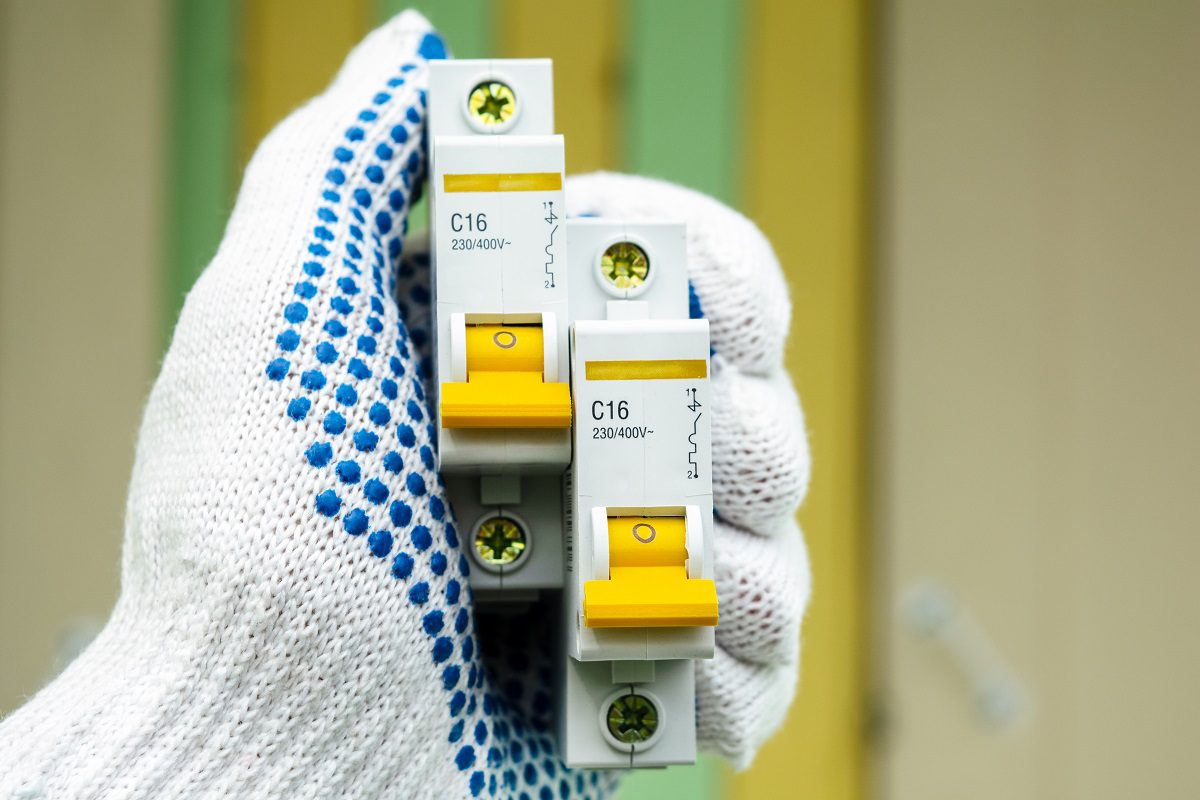
3. Carry Critical Breaker Inventory for High-Risk Systems
If one breaker failure shuts down a production line, that breaker isn’t optional inventory.
It’s operational insurance.
Many facilities learned this the hard way during recent supply chain disruptions. Waiting 10 weeks for a $900 breaker while losing thousands per hour in downtime doesn’t make sense.
Preventive inventory planning should focus on:
- Breakers protecting mission-critical equipment
- Legacy breakers that are harder to source
- High-failure or high-load units
- Long-lead specialty ratings
This doesn’t mean overstocking everything.
It means identifying:
“What would hurt the most if this failed tomorrow?”
Then making sure you’re not dependent on global shipping schedules when it does.
4. Partner With a Supplier That Has Emergency & Sourcing Capabilities
When something fails unexpectedly, speed becomes everything.
You need more than a price list.
You need a partner who can:
- Check nationwide inventory networks
- Source discontinued or obsolete breakers
- Provide rebuild or repair options when replacement isn’t available
- Confirm compatibility quickly
- Ship same-day when stock exists
There’s a difference between:
“Let me see what I can order.”
And:
“Here’s what’s available. It ships today.”
Emergency response isn’t about panic.
It’s about preparation.
Suppliers who specialize in industrial environments understand that downtime is measured in lost revenue, not inconvenience.
That’s why responsiveness, technical guidance, and inventory depth matter more than catalog size.
The Real Shift: Move From Reactive to Predictable
Most breaker delays don’t start with manufacturing.
They start with reactive sourcing.
Waiting until the breaker fails. Waiting until the PO is approved. Waiting until the panel is already built.
The contractors and facility managers who avoid long lead times think ahead:
- They confirm stock early.
- They verify compatibility early.
- They identify backup options early.
- They build relationships with responsive suppliers early.
That’s what turns “We’re still waiting” into “It ships today.”
The Bigger Issue: It’s Not Just a Breaker. It’s Your Supply Chain.
If you’ve been:
- Calling three vendors for one job
- Getting different lead times from each
- Constantly chasing updates
That’s not a parts issue.
It’s a procurement issue.
Contractors and facility managers who streamline sourcing reduce delays dramatically
Centralized supply.
Compatibility support.
Real inventory visibility.
Faster answers.
That’s how you move from reactive to reliable.
When Should You Consider Switching Suppliers?
If you’re experiencing:
- Frequent backorders with no visibility
- Poor communication during delays
- No alternative options offered
- No emergency support
It might not be the breaker.
It might be the relationship.
Waiting Is Expensive
A breaker sitting on backorder costs more than its price tag.
It costs time.
Credibility.
Momentum.
You don’t need a bigger distributor.
You need a more responsive one.
If you’re currently waiting on a breaker or planning an upcoming project talk to someone who can tell you what’s actually in stock, what’s compatible, and what ships today.
Because your timeline shouldn’t depend on guesswork.
Need It Fast? We’re Ready.
When a breaker failure threatens your schedule or uptime, you don’t need a catalog you need answers.
Our team can help you source in-stock breakers, locate hard-to-find units, or identify approved alternatives quickly.