What Are the 4 Essential Electrical Safety Steps?
Electrical safety relies on four essential steps: identifying hazards, de-energizing equipment, using proper personal protective equipment (PPE), and following established electrical codes and standards. These steps help prevent injuries, reduce equipment damage, and minimize costly downtime in industrial and commercial environments.
In fast-paced facilities and job sites, even a small electrical oversight can lead to serious consequences, from arc flash incidents to unexpected shutdowns. That’s why having a clear, repeatable safety process is critical.
This guide breaks down each step in a practical, easy-to-follow way so your team can work more safely, stay compliant, and keep operations running smoothly.
Why Is Electrical Safety Important in Industrial and Commercial Settings?
Electrical safety is critical because it prevents serious injuries, protects equipment, and reduces costly downtime in industrial and commercial environments. Without proper safety practices, electrical hazards like arc flashes, shocks, and equipment failures can disrupt operations and put workers at risk.
In real-world settings, electrical issues don’t just cause safety concerns; they directly impact productivity and profitability. A single failure can shut down production lines, delay projects, or damage expensive equipment.
For contractors and facility managers, electrical safety also plays a key role in:
- Maintaining OSHA and NFPA compliance
- Avoiding unexpected repair costs
- Ensuring reliable system performance
- Protecting team members and reputation
When safety processes are clear and consistently followed, teams can work more confidently, reduce risk exposure, and keep operations running without interruption
Step 1: Identify Electrical Hazards Before Work Begins
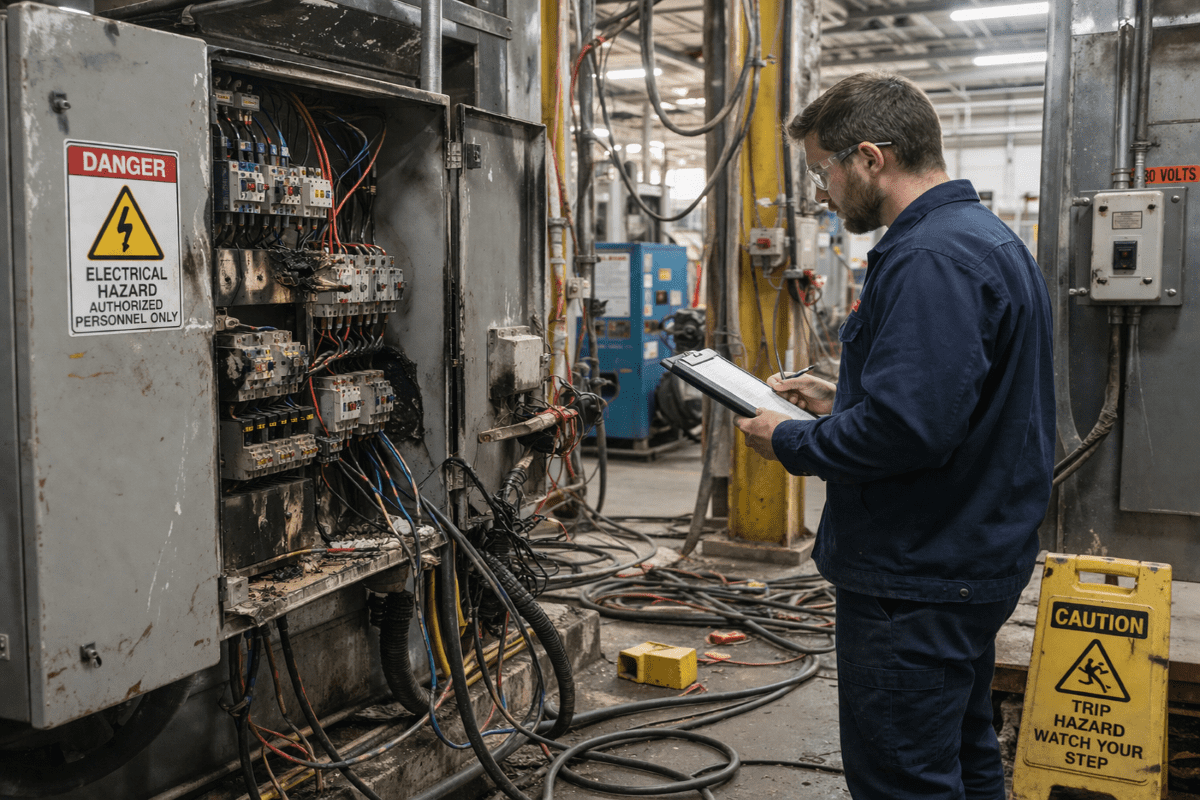
Identifying electrical hazards is the first and most important step in electrical safety because it allows teams to recognize risks before work begins. By proactively spotting issues such as exposed wiring, overloaded circuits, or damaged equipment, you can prevent accidents, reduce downtime, and ensure a safer working environment.
In industrial and commercial settings, hazards are often not obvious at first glance. Aging infrastructure, improper installations, or temporary fixes can create hidden risks that lead to serious incidents like electrical shock or arc flash. This is especially critical for facility managers dealing with legacy systems and contractors working across multiple job sites.
A consistent hazard identification process starts with thorough visual inspections and a clear understanding of how electrical systems are supposed to operate. Teams should evaluate equipment condition, verify that components are properly rated for the application, and ensure that safety measures like grounding and insulation are intact.
It’s also important to assess the environment around the electrical system. Moisture, dust, vibration, and temperature extremes can all increase the likelihood of failure. Recognizing these conditions early helps prevent unexpected breakdowns and supports more reliable system performance.
When hazards are identified early, teams can take corrective action before problems escalate. This not only protects workers but also helps avoid unplanned outages, project delays, and costly emergency repairs.t, scheduling annual infrared (thermal) scans helps detect invisible hotspots before they fail.
Step 2: De-Energize Equipment Before Performing Any Work
De-energizing equipment means completely shutting off electrical power before performing any maintenance, repair, or installation work. This step is essential to prevent electrical shock, arc flash incidents, and accidental equipment startup that can cause serious injury or damage.
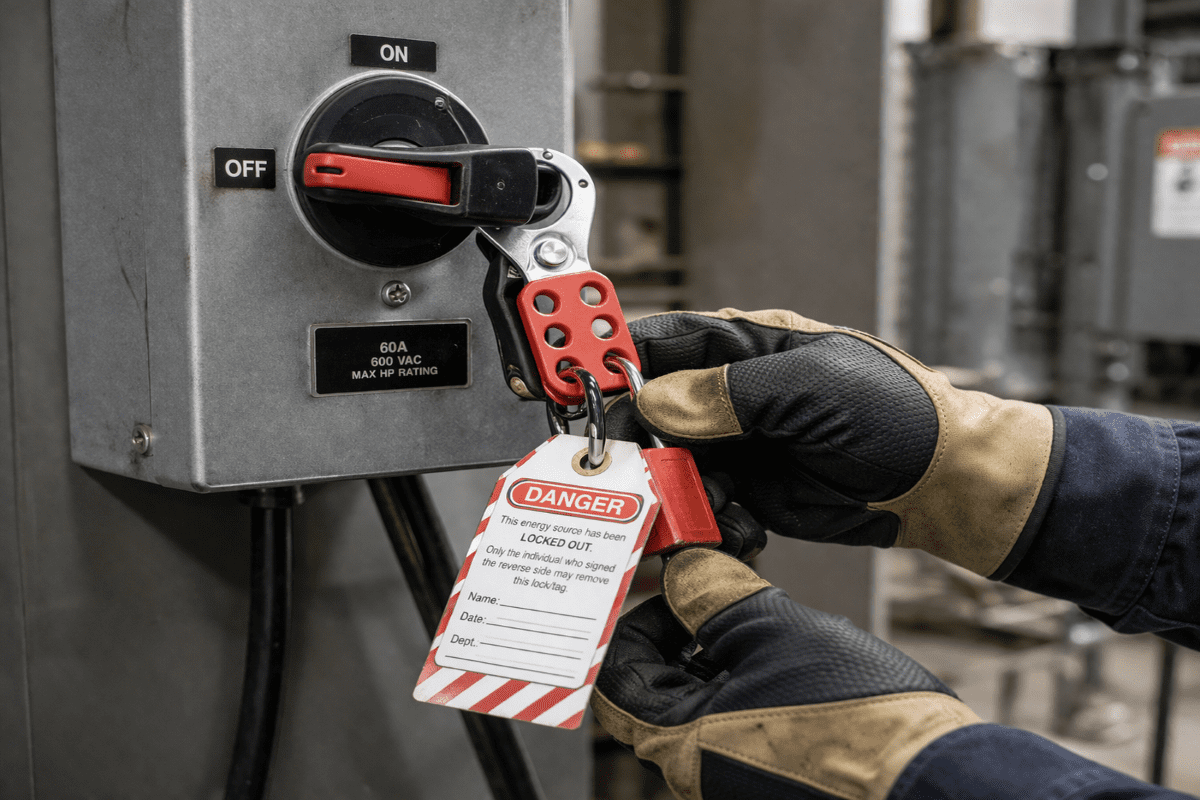
Even when systems appear inactive, live electrical energy may still be present. That’s why relying on assumptions is dangerous. A proper de-energization process ensures that all energy sources are identified, isolated, and verified before work begins.
A safe and effective approach typically follows these steps:
- Shut down the equipment using normal operating controls to avoid abrupt system disruption.
- Isolate all energy sources, including primary and secondary power supplies, generators, or backup systems.
- Apply lockout/tagout (LOTO) devices to prevent accidental re-energization while work is in progress.
- Verify zero energy using properly rated testing equipment to confirm that no electrical current is present.
Following this process helps eliminate one of the most common causes of electrical accidents, working on energized equipment. For contractors and facility managers, it also ensures compliance with OSHA safety requirements and reduces the risk of costly incidents.
When de-energization becomes a standard practice, teams can work with greater confidence, knowing systems are fully controlled and safe to handle.
Step 3: Use Proper Personal Protective Equipment (PPE)
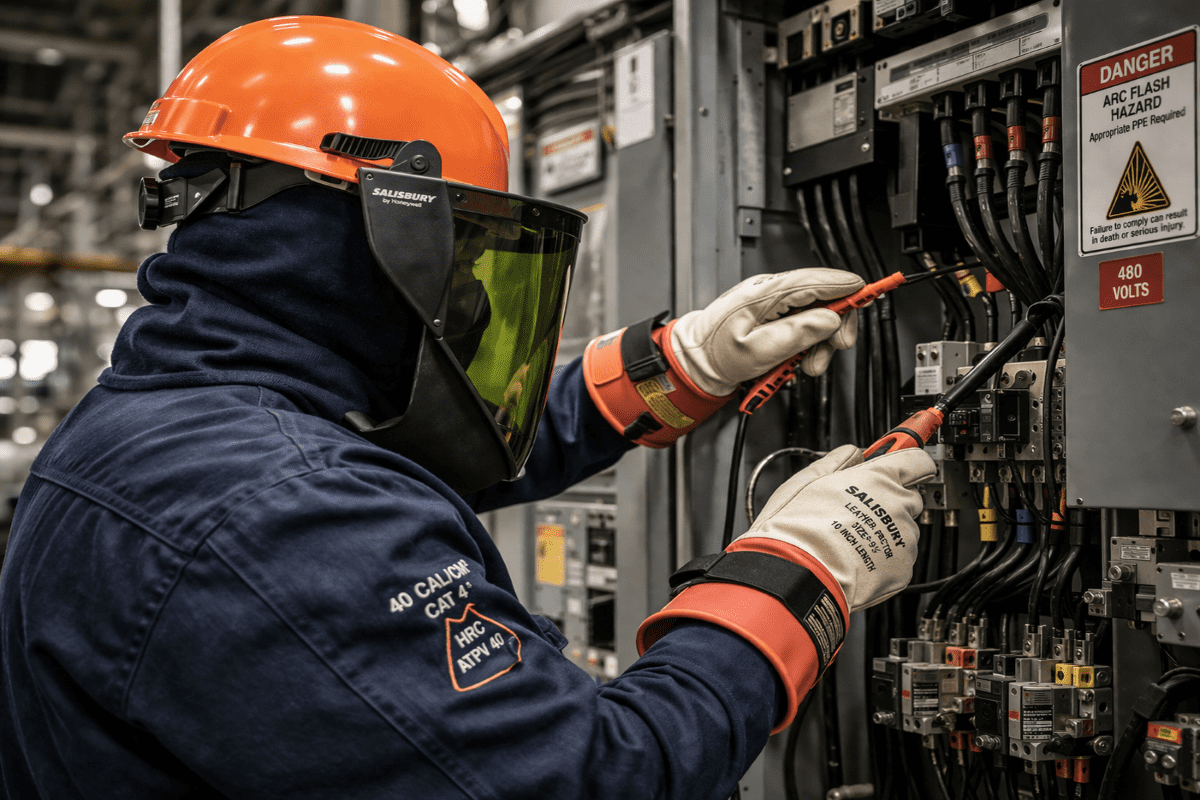
Using proper personal protective equipment (PPE) protects workers from electrical hazards such as arc flashes, electric shock, and burns. PPE acts as a critical barrier between the worker and energized equipment, reducing the severity of injuries when risks cannot be completely eliminated.
In many industrial and commercial environments, exposure to electrical energy is unavoidable during testing, troubleshooting, or energized work. In these situations, PPE is not optional; it is essential for safe task execution and compliance with safety standards.
The type of PPE required depends on the level of risk and the task being performed. This often includes arc-rated clothing, insulated gloves, face shields, safety glasses, and voltage-rated tools. Each piece must be properly selected, maintained, and inspected to ensure it provides the intended level of protection.
It’s also important that teams are trained to use PPE correctly. Wearing the right gear improperly can create a false sense of safety and increase the likelihood of injury. Clear procedures and regular safety checks help ensure that PPE is used effectively in real-world conditions.
When proper PPE becomes a standard part of every job, teams are better prepared to handle electrical risks safely. This not only protects workers but also supports consistent operations and reduces the impact of unexpected incidents.
Step 4: Follow Electrical Codes and Safety Standards
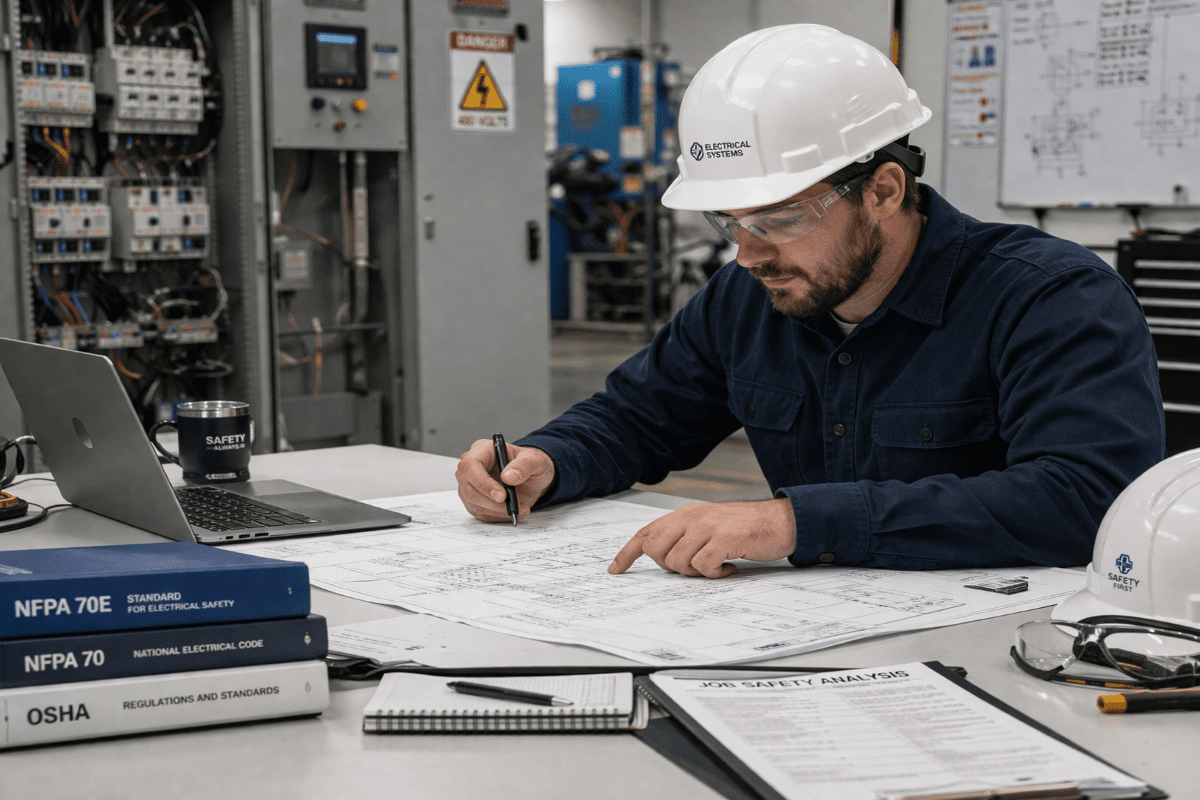
EFollowing electrical codes and standards ensures that all work is performed safely, consistently, and in compliance with regulatory requirements. Standards such as OSHA guidelines and NFPA 70E are designed to reduce electrical risks, protect workers, and prevent costly violations or system failures.
In industrial and commercial environments, these regulations are not just recommendations; they are essential for maintaining safe operations. Failure to follow proper codes can lead to serious consequences, including injuries, equipment damage, failed inspections, and project delays.
Electrical codes provide clear direction on how systems should be designed, installed, and maintained. This includes requirements for proper grounding, circuit protection, equipment labeling, and safe working distances. For teams in the field, these standards serve as a reliable framework for making safe decisions under pressure.
Staying compliant also supports long-term operational efficiency. Systems that meet code requirements are more reliable, easier to maintain, and less likely to experience unexpected failures. For facility managers, this means fewer disruptions and better control over maintenance planning.
When teams consistently follow established electrical standards, they reduce risk, improve performance, and build trust with clients, inspectors, and internal stakeholders.
How Electrical Safety Reduces Downtime and Costs
Electrical safety reduces downtime and costs by preventing equipment failures, avoiding unplanned outages, and minimizing the risk of costly repairs or injuries. When safety procedures are followed consistently, systems operate more reliably, and disruptions are significantly reduced.
In industrial and commercial environments, even a minor electrical issue can bring operations to a halt. Unplanned downtime often leads to missed deadlines, lost revenue, and expensive emergency repairs. By applying structured safety practices like hazard identification and proper de-energization, teams can catch problems early before they escalate.
Electrical safety also plays a key role in extending the life of equipment. Systems that are properly maintained and operated within safe limits experience less wear, fewer breakdowns, and lower replacement costs over time. This is especially important for facilities managing aging infrastructure or high-demand operations.
For contractors, strong safety practices help ensure projects stay on schedule and meet compliance requirements without delays. For facility managers, it means greater control over maintenance planning and fewer unexpected disruptions.
When electrical safety is treated as a core operational priority, businesses can reduce risk, control costs, and maintain consistent performance across their operations.
Electrical Safety Checklist for Daily Operations
An electrical safety checklist helps ensure that critical safety steps are consistently followed before, during, and after working with electrical systems. Using a standardized checklist reduces the risk of missed hazards, improves compliance, and supports safer, more efficient operations.
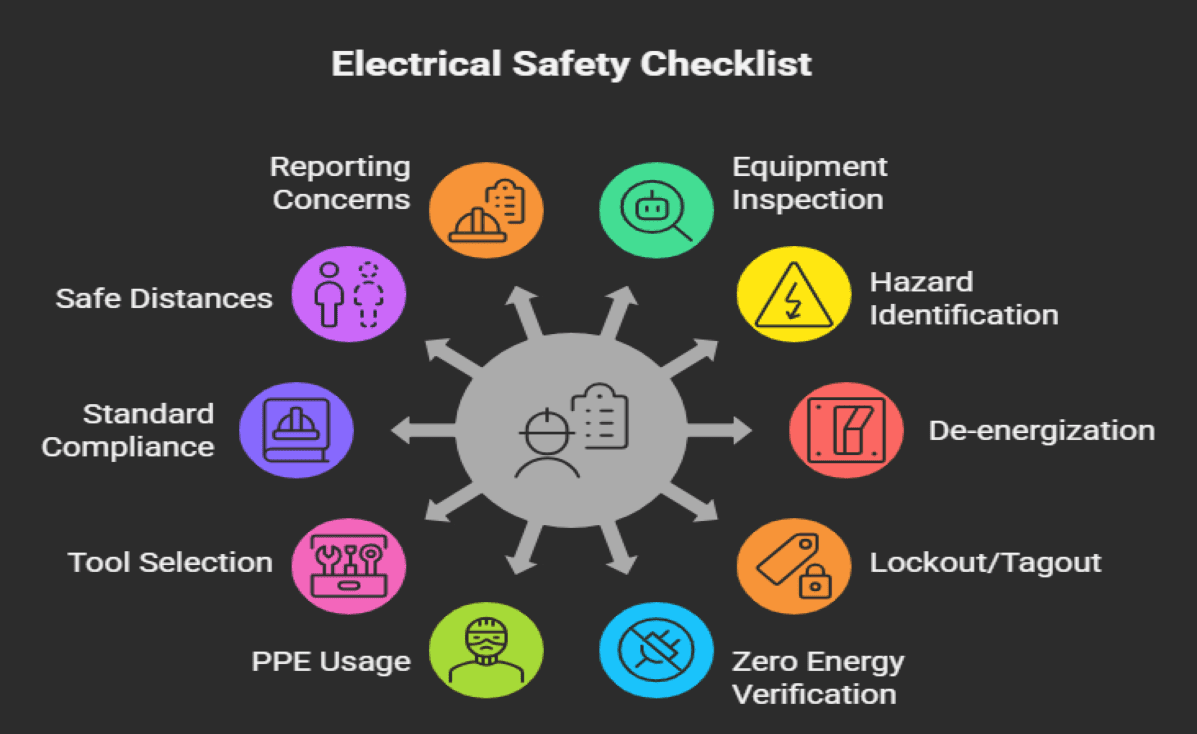
Use this checklist as a daily reference for your team:
- Inspect all equipment for visible damage
Check for exposed wires, loose connections, or worn components before starting work. - Identify potential electrical hazards in the area
Look for moisture, dust, heat, or other environmental risks that could impact safety. - De-energize equipment before performing work
Shut off power sources and confirm that systems are not live. - Apply lockout/tagout (LOTO) procedures
Secure equipment to prevent accidental re-energization. - Verify zero energy using proper testing tools
Always test before touching to confirm there is no electrical current present. - Wear appropriate PPE for the task
Use arc-rated clothing, insulated gloves, and protective gear as required. - Use properly rated tools and equipment
Ensure all tools are designed for the voltage and environment. - Follow OSHA and NFPA safety standards
Confirm that all work aligns with current electrical codes and regulations. - Maintain safe working distances
Keep a safe distance from energized components and restricted areas. - Document and report any safety concerns
Address issues immediately to prevent future risks.
A consistent checklist like this helps teams stay proactive instead of reactive, reducing the likelihood of accidents, downtime, and costly repairs.
Frequently Asked Questions About Electrical Safety
What are the most common electrical hazards in the workplace?
The most common electrical hazards include exposed wiring, overloaded circuits, improper grounding, and contact with energized equipment. These risks can lead to electric shock, arc flash incidents, and equipment failure if not properly managed.
In industrial environments, hazards are often increased by moisture, dust, and aging infrastructure. Identifying and addressing these risks early is key to preventing accidents and maintaining reliable operations.
What is the first step in electrical safety?
The first step in electrical safety is identifying potential hazards before starting any work. This includes inspecting equipment, evaluating the work environment, and recognizing any conditions that could increase risk.
By understanding where dangers exist, teams can take the necessary precautions to prevent incidents before they occur.
Why is lockout/tagout (LOTO) important?
Lockout/tagout (LOTO) is important because it prevents equipment from being accidentally energized while work is being performed. This process protects workers from unexpected electrical startup, which is a leading cause of workplace injuries.
Proper LOTO procedures ensure that energy sources are fully isolated and controlled, creating a safer working environment.
What PPE is required for electrical work?
The PPE required for electrical work depends on the level of risk, but typically includes arc-rated clothing, insulated gloves, face shields, and safety glasses. These items help protect workers from electrical shock, burns, and arc flash exposure.
All PPE should be properly rated, regularly inspected, and used according to safety guidelines to ensure effective protection.
How often should electrical safety checks be performed?
Electrical safety checks should be performed regularly, including before any work begins and as part of ongoing preventive maintenance programs. Routine inspections help identify issues early and reduce the risk of unexpected failures.
For most facilities, daily visual checks combined with scheduled in-depth inspections provide the best balance of safety and efficiency.
How Can You Improve Electrical Safety in Your Facility or Projects?
Improving electrical safety starts with having the right processes, the right components, and the right support in place. By combining proven safety steps with reliable equipment and expert guidance, you can reduce risk, prevent downtime, and keep your operations running smoothly.
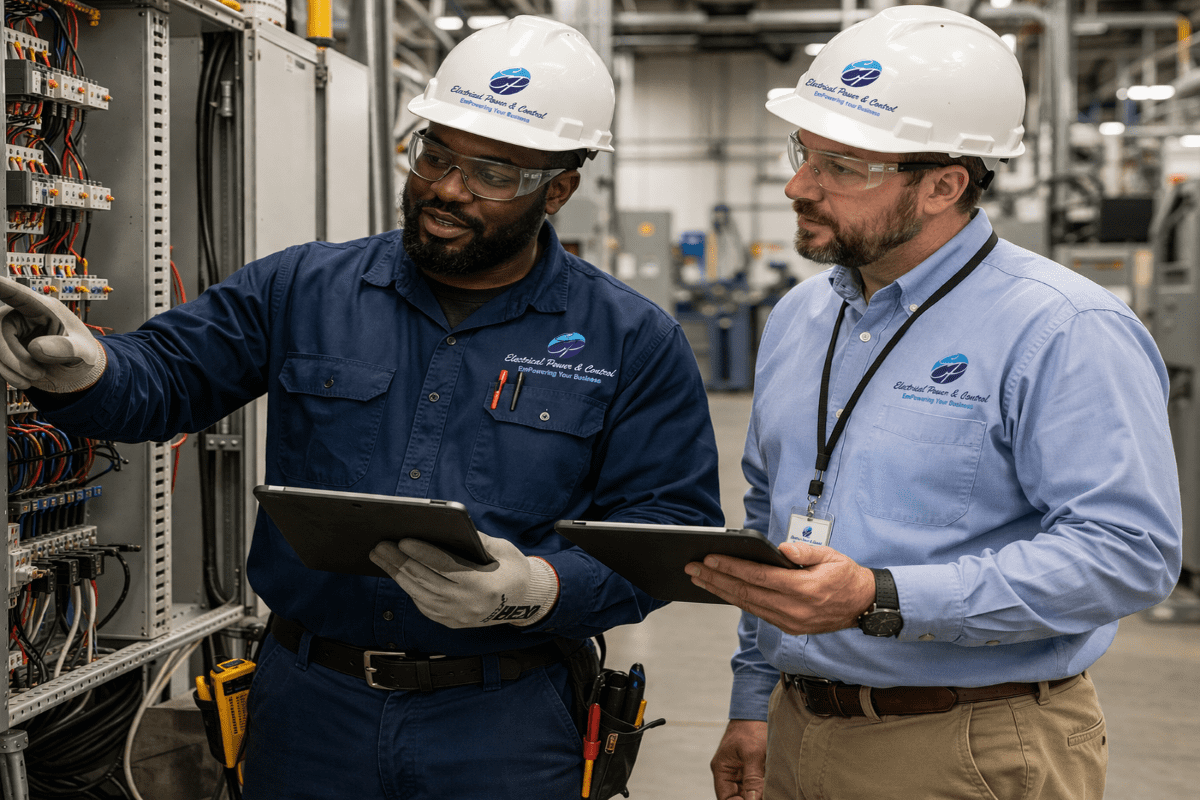
For contractors and facility managers, safety isn’t just about compliance; it’s about maintaining performance, meeting deadlines, and avoiding costly disruptions. Having access to dependable electrical components and fast support can make a critical difference when it matters most.
At Electrical Power & Control, we help you simplify that process. Whether you need hard-to-find parts, custom-built solutions, or emergency repair services, our team is here to support your operation every step of the way.If you’re looking to improve safety, reduce downtime, or streamline your electrical systems, we’re ready to help you find the right solution quickly and reliably.
Stay Safe, Stay Powered!